A Buyer’s Guide To Laguna Beach Home Architecture
You fall in love with Laguna Beach first through its homes. Maybe it is a shingled cottage a block from the sand. Maybe it is a glass-walled retreat tucked into the hills. No matter your style, the architecture you choose shapes how you live, what you maintain, and how your home holds value. In this guide, you will learn how the main Laguna Beach styles compare, what to expect in upkeep and permitting, and how to buy with confidence. Let’s dive in.
Before you pick a style, focus on the lot and the view. In coastal markets, water views and beach access often deliver the biggest value premium. Independent research on view effects shows water outlooks can add a significant uplift to pricing, with coastal California among the highest absolute premiums. You can see this pattern across Laguna’s market, where direct beachfront, bluff-edge, and prime view hillsides command top pricing. For context on how water views influence value, review this overview of view premiums in residential real estate from an academic library resource on property values related to water views.
Style then becomes a multiplier. A well-preserved cottage in the Village may trade at a high price per square foot because of walkability. A contemporary home on a top-tier view lot can push absolute price higher due to livability and design. Keep this hierarchy in mind while you compare architectural types.
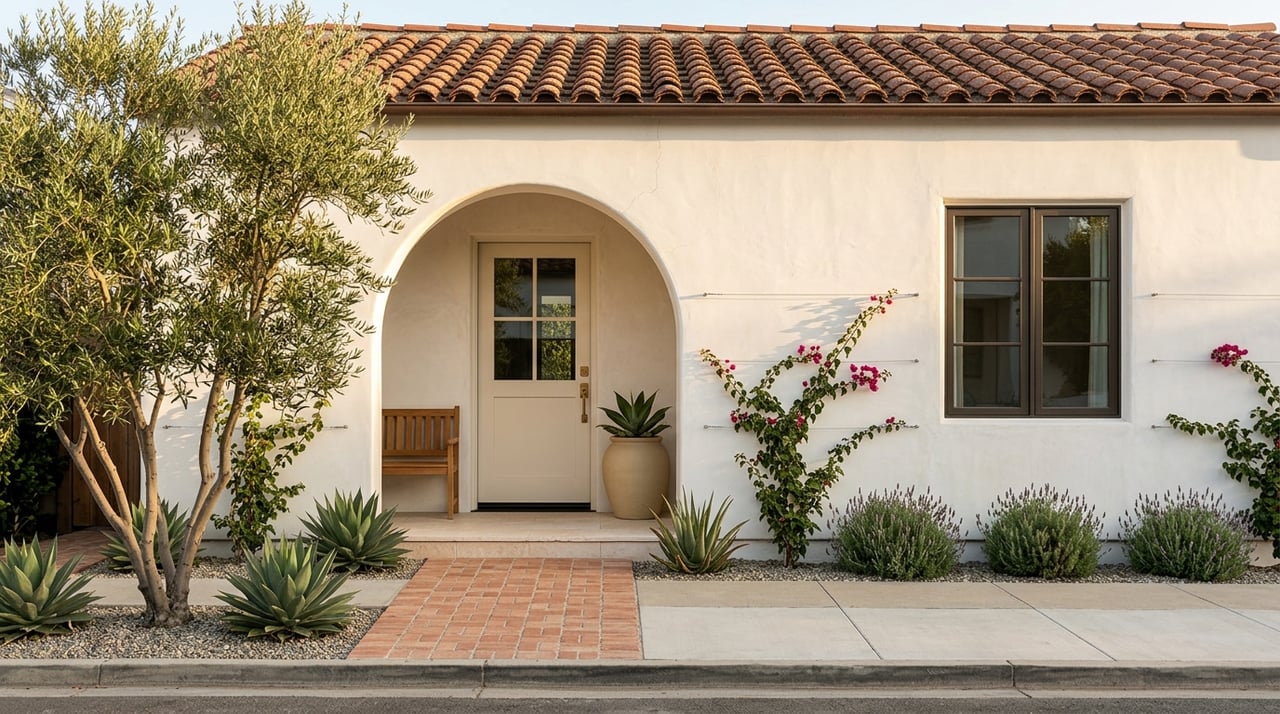
Beach cottages cluster around the Village, Main Beach, and near parks along the coast. Original footprints are often compact, roughly 500 to 1,200 square feet, with wood or shingle siding, pitched roofs, and small porches. You trade large interior space for quick beach access and a connected, village lifestyle. If you value morning surf checks and dinner on Forest Avenue, this style delivers.
Cottages often carry older systems. Expect to evaluate plumbing, electrical, insulation, and seismic upgrades. Salt air exposure can accelerate corrosion on metal elements and drive more frequent exterior maintenance. If a cottage is on a local historic register or has a Mills Act contract, your taxes and permitted changes can be affected. For background on the Mills Act program and its preservation obligations, review the California Office of Historic Preservation’s Mills Act guidance.
Cottages sell on location, authenticity, and lifestyle. They can earn strong price per square foot, even if smaller. Marketability improves when major systems are addressed and historic details are respected. If you plan to hold as a second home or income property, confirm short-term rental rules early; Laguna places limits on vacation rentals and permits. Your best first stop for the regulatory landscape is the City’s Planning and Zoning page.
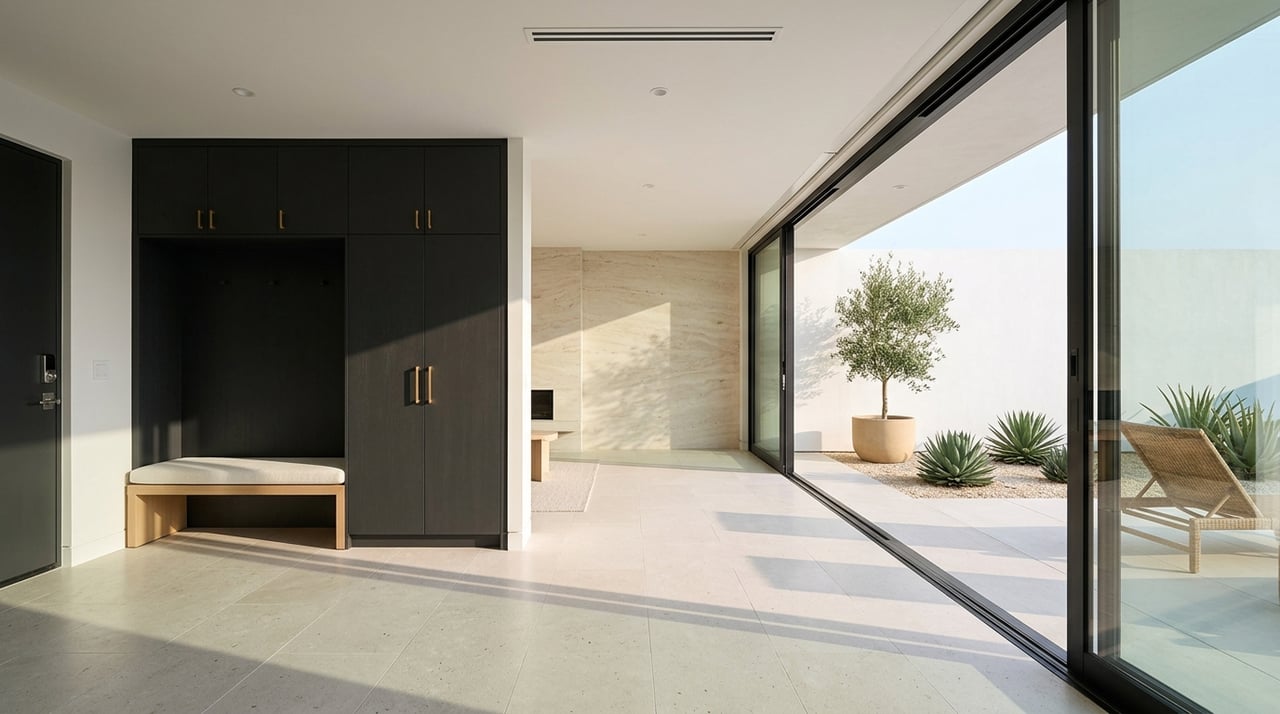
Postwar California modern in Laguna tends to be single-story or split-level with post-and-beam structure, large panes of glass, sliders, and indoor-outdoor flow. Many are sited to capture canyon or ocean vistas. The experience is about light, proportion, and privacy, with modest street fronts that open to courtyards or terraces. If you value architectural character and connection to the landscape, this style fits. For a clear overview of mid-century features, see this summary of Southern California architectural styles from a regional heritage group.
Look closely at flat or low-slope roofs, original glazing, and dated mechanicals. Pre-1978 properties may involve lead-based paint or asbestos considerations during renovation. Post-and-beam framing and foundations deserve a careful seismic review due to age and exposure. When you modernize, preserve signature elements like exposed beams, clerestories, and built-ins. They are part of the value story.
Thoughtful renovations that protect original character tend to draw strong demand. Mid-century homes with real view orientation can command a premium among design-savvy buyers. You will compete well if you deliver modern performance and keep authentic details intact.
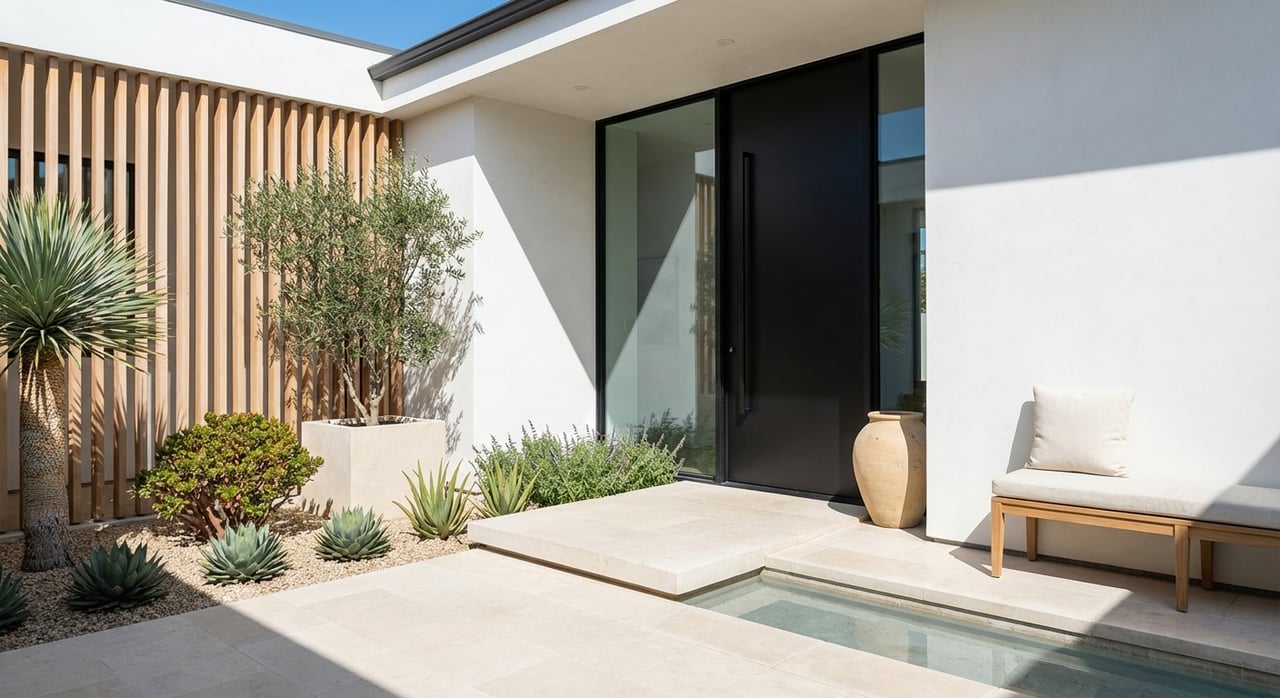
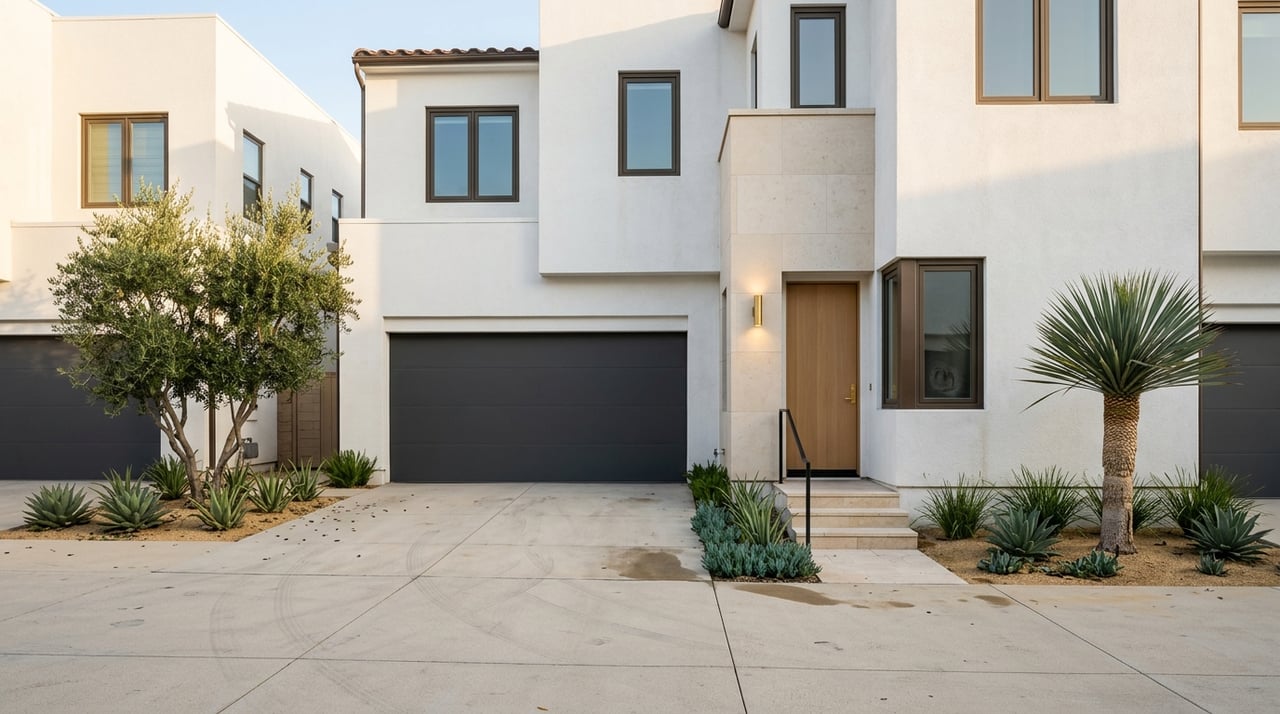
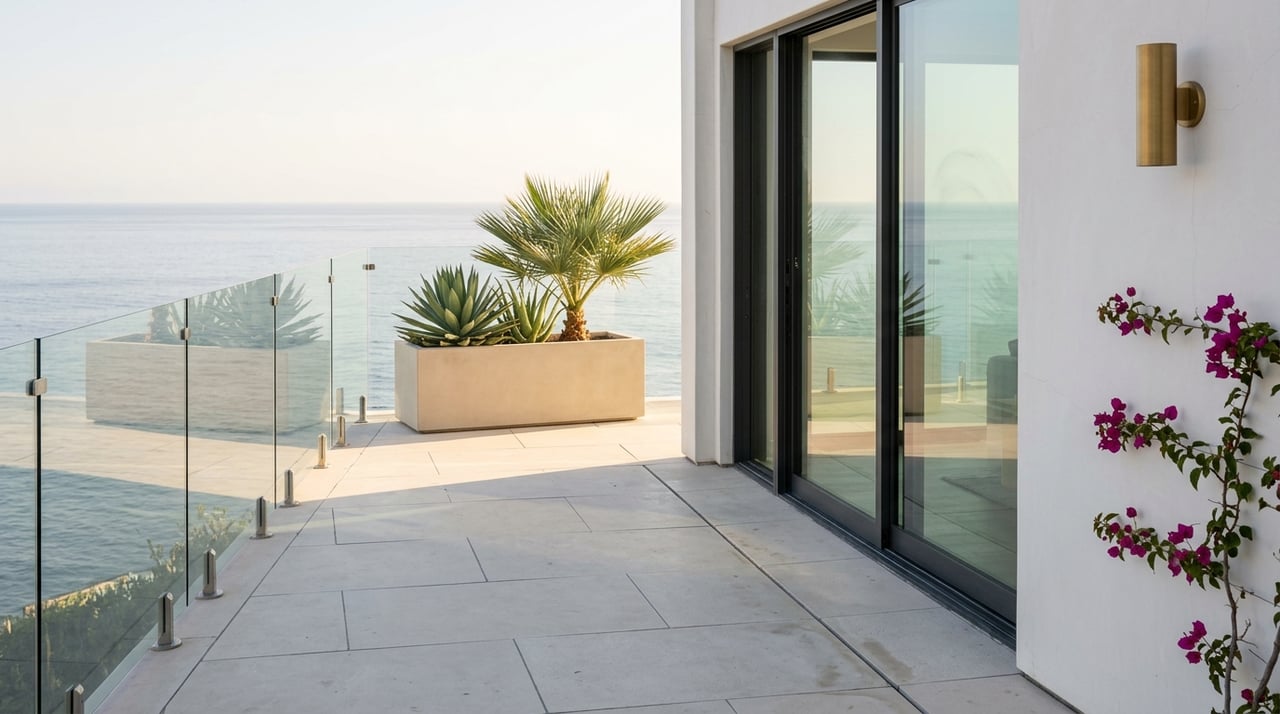
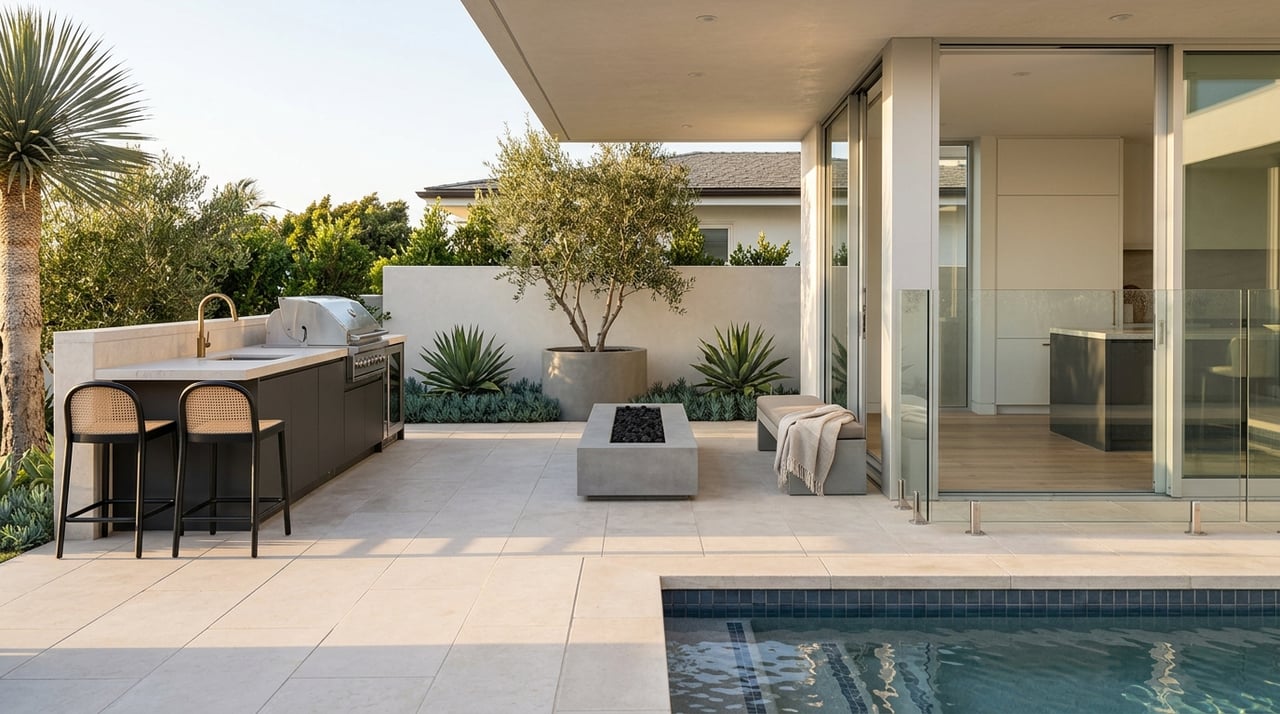
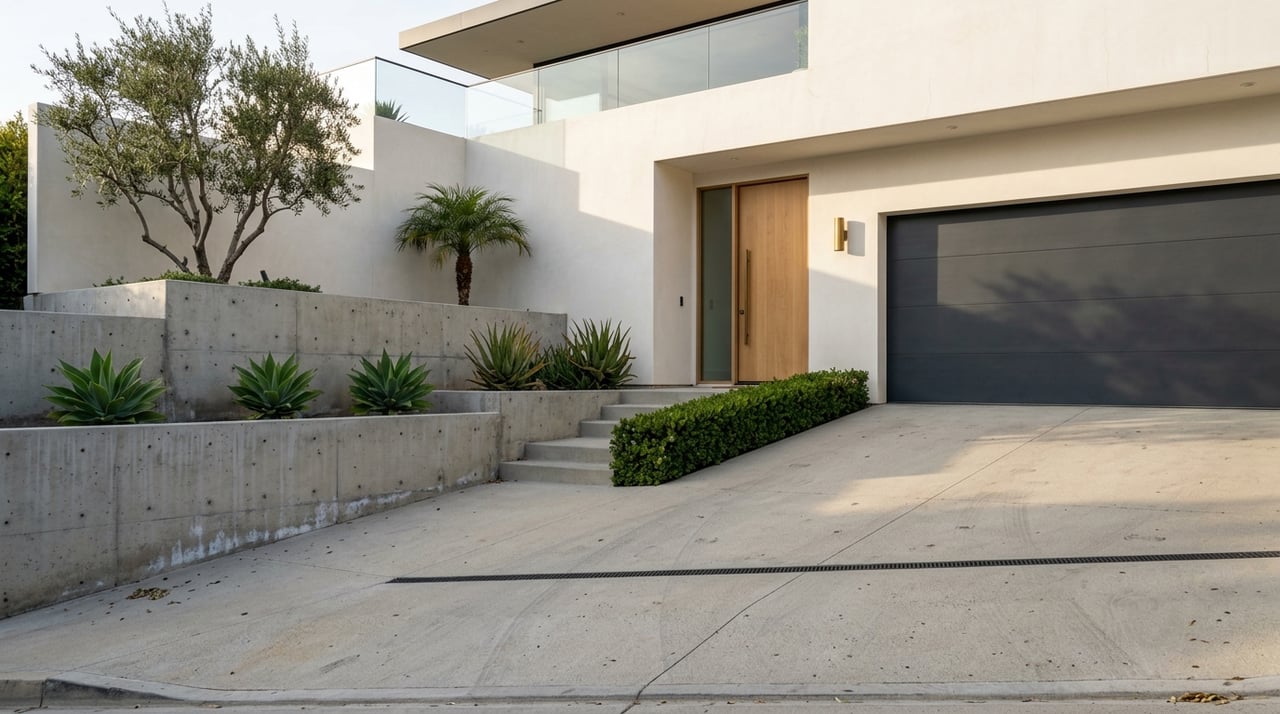
Contemporary homes in Laguna favor open plans, expansive glazing, multi-level terraces, and seamless indoor-outdoor living. Large kitchens, guest suites, and smart systems make them ideal for entertaining and low-effort daily living. When paired with a strong view lot, they maximize outlooks with floor-to-ceiling glass and roof decks. For a visual reference to the coastal modern aesthetic, explore Dwell’s coverage of view-driven California modern homes.
Custom glazing systems, steel, concrete, and specialty finishes often require expert service and can be costly to repair. Engineered foundations on hillside sites, complex HVAC, and pool or spa systems add to long-term budgets. Document warranties, service histories, and manufacturer details during due diligence. If your remodel scope is large or you are near the coast, ask early about Coastal Development Permit triggers under the City’s Local Coastal Program.
Design quality and lot strength are decisive. Exceptional build quality on a prime view site tends to sell quickly and at a premium. More polarizing, ultra-custom designs can limit the buyer pool, so timeless materials and restraint help.
At the top of the market, large villas and oceanfront estates deliver privacy, multiple suites or guest houses, generous lawns, and in some enclaves, gatehouse security and beach access. These are lifestyle assets for buyers who want premier views, resort-like amenities, and discretion. Many trade off market and reflect international interest in coastal California. National data shows international buyers often focus on high-value, coastal markets and transact at higher price points; see the National Association of Realtors’ summary of recent international buyer activity for context.
Expect complex operating budgets: multiple HVAC zones, pools and hydraulics, landscape and drainage systems, and specialized facade materials. Bluff properties add geotechnical considerations and monitoring. Coastal hazards and sea-level rise guidance inform siting and setbacks, so engage the Coastal framework early. You can explore the California Coastal Commission’s sea-level rise tools to understand hazard context and planning principles.
Location is the largest driver at this tier, especially direct oceanfront or private cove access. Architecture quality and a known design pedigree can amplify the premium. Strong documentation, recent capital improvements, and impeccable presentation support buyer confidence at closing.
Use this short list to structure your offer prep and inspection window:
Whatever your style, keep site and view at the top of your filter. To understand how water outlooks can influence value, review this summary of water view effects on residential pricing.
Buying in Laguna involves more than curb appeal. It takes clear guidance on Coastal rules, thoughtful inspection sequencing, and a plan for ownership costs. If you want a calm, private process and access to on- and off-market opportunities, partner with a team that lives this market every day.
When you are ready to tour styles that fit your lifestyle and goals, connect with the Christina Shaw Group for boutique, concierge-level buyer representation backed by Sotheby’s global reach. Start a private conversation with the Christina Shaw Group.
Stay up to date on the latest real estate trends.
Buying or selling a home? Contact us now by filling out the contact form below and we will get back to you soon. Looking forward to speaking with you!