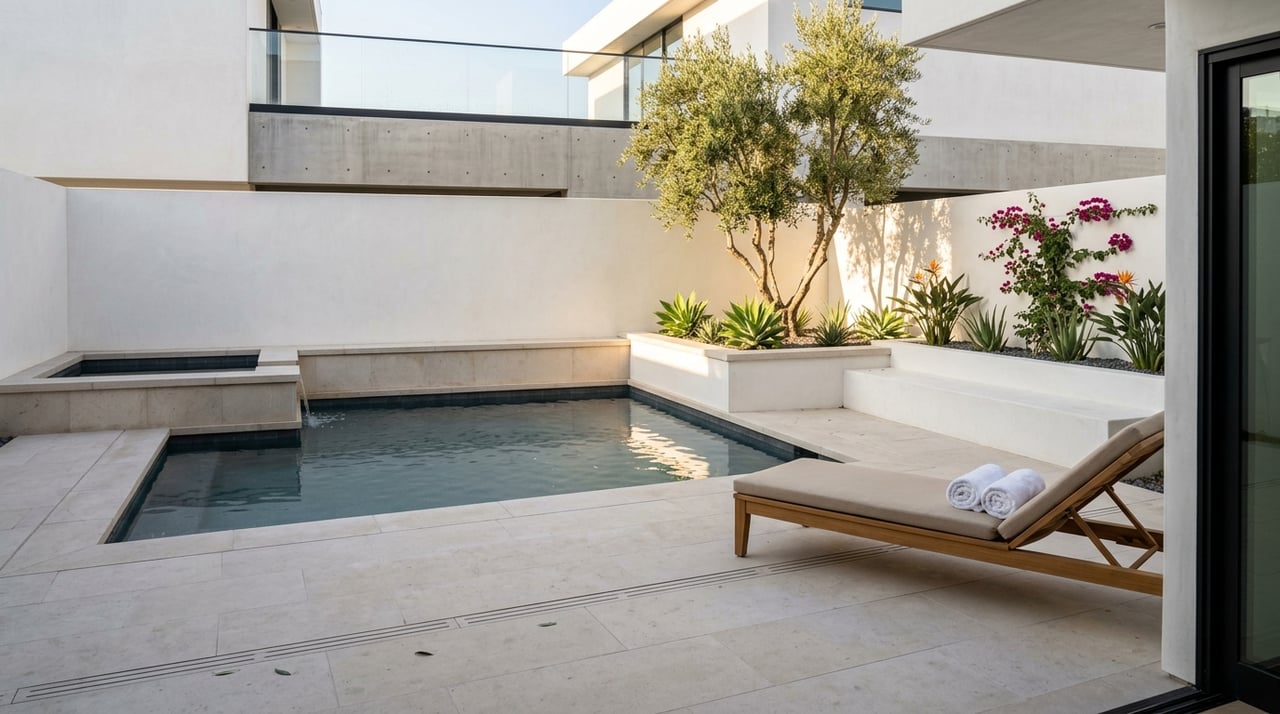
Second Home in Corona Del Mar: What to Know Before Buying
Thinking about a second home in Corona del Mar? You are not alone. For many buyers, this Newport Beach neighborhood stands out for its coastal setting, village feel, and mix of classic cottages and newer homes, but buying a part-time property here takes more than falling in love with the location. If you want a smart, low-stress purchase, you need to look closely at ownership structure, upkeep, carrying costs, and rental rules before you close. Let’s dive in.
Corona del Mar offers a coastal lifestyle that feels both relaxed and refined. According to the City of Newport Beach community overview, the area includes Corona del Mar State Beach, the Robert E. Badham Marine Conservation Area, scenic viewpoints like Lookout and Inspiration Points, and an inland village with shops, restaurants, boutiques, and Sherman Library and Gardens.
That setting matters when you are buying a second home. You are often looking for convenience, easy enjoyment, and a place that feels special from the moment you arrive. Visit Newport Beach describes Corona del Mar as a neighborhood where vintage cottages and newer homes sit side by side on flower-named streets, anchored by a half-mile beach framed by cliffs and a rock jetty.
Another practical advantage is the neighborhood’s walkable village layout. City planning documents describe Corona del Mar as a pedestrian-oriented retail village that serves surrounding neighborhoods. For a second-home owner, that can support the lock-and-leave lifestyle many buyers want.
One of the biggest second-home mistakes is assuming a property works one way because it looks a certain way. In California, that can be risky.
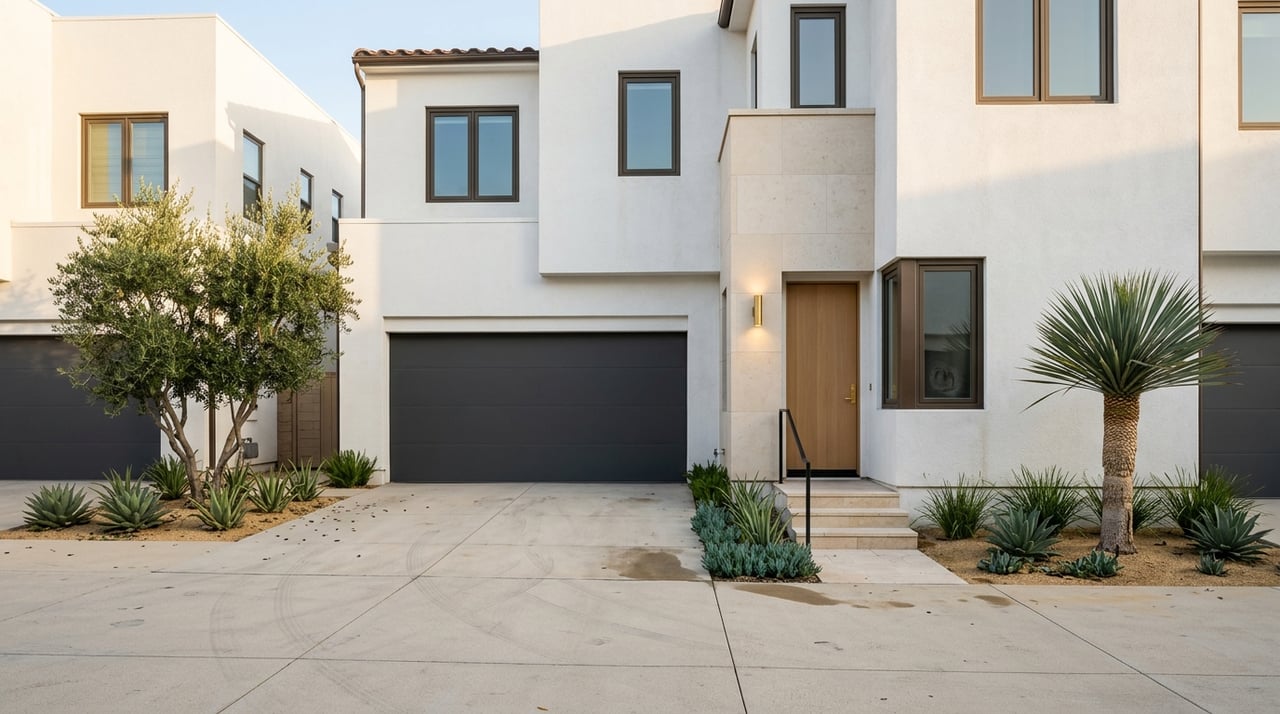
The California Department of Real Estate buyer guide explains that a home may appear detached but still be part of a common interest development, or CID, such as a planned development or condominium-style arrangement. That means your ownership rights, your maintenance obligations, and your HOA relationship may be very different from what you expect.
In a CID, you typically own a separate interest in the home and also have rights in common areas or association-controlled facilities. Some planned developments look like standard detached-home neighborhoods, yet still include HOA-owned common areas or amenities. For a second-home buyer, that legal structure matters because it affects both day-to-day convenience and long-term costs.
If your goal is a low-maintenance second home, do not stop at asking whether there is an HOA. Ask exactly what the HOA maintains and what stays on your plate.
The DRE notes that HOA budgets should account for fixed costs, operating costs, reserves, administration, and contingency. Reserve funds may be used for major items such as painting, roofing, lighting, carpet, pool equipment, furniture, and paving. That makes the reserve study and recent budget especially important if you want predictable ownership costs.
Before you buy, review documents that help answer questions like these:
A second home that seems easy to manage can become much less convenient if key maintenance items remain solely your responsibility. In the same way, low monthly dues are not always a positive sign if reserves are thin or future repairs are underfunded.
When you buy in an HOA-governed community, the rules are not optional. The DRE explains that CC&Rs and HOA rules run with the land, meaning they define the rights and obligations of both the owner and the association.
For a second-home buyer, this review is essential. These documents can affect how you use the property, what the association maintains, and what restrictions apply while you are away. If you plan to use the home seasonally, leave it vacant for stretches, or explore future rental use, the governing documents should be reviewed early in your due diligence period.
The purchase price is only part of the equation. With a second home, the more important number is often your ongoing annual cost of ownership.
The California Department of Financial Protection and Innovation advises buyers to budget for property taxes, homeowner insurance, and possible HOA fees, along with closing costs. Those recurring expenses matter even more when a property is used part-time, because the home continues to generate costs whether you are there or not.
A conservative second-home budget should account for:
This is where planning pays off. A home that fits comfortably within your purchase budget may still feel expensive if carrying costs are higher than expected.
Second homes are not taxed the same way as principal residences in every respect. That difference can affect your long-term planning.
The California Board of Equalization states that the homeowners’ exemption reduces taxable value by $7,000 for a qualifying owner-occupied principal residence. A second home generally does not qualify. BOE also explains that a change in ownership or new construction can trigger supplemental assessments and additional tax bills.
That means your post-closing tax picture may look different from the seller’s current bill. If you are buying a newly built or recently improved property, or simply trying to model true annual ownership costs, those supplemental assessments should be part of the conversation.
Some second-home buyers like the idea of offsetting costs through occasional rentals. In Corona del Mar, that requires careful research before you rely on that strategy.
According to the City of Newport Beach short-term lodging rules, short-term lodging means renting a residential unit for fewer than 30 consecutive days, including home sharing. The city requires a business license and short-term lodging permit, and its current materials state that no new short-term lodging permits are being issued at this time.
The city also states that the active permit count is capped at 1,550 and that transient occupancy tax applies to permit holders at 10% of the lease amount. For buyers, the message is simple: do not assume short-term rental income will be available.
Just as important, city approval and HOA approval are separate issues. The city’s FAQ specifically advises owners in HOA communities to review their CC&Rs and confirm association rules before advertising or applying for permits. Even if a city process were available, HOA restrictions could still limit or prohibit that use.
A second home needs a plan for the weeks or months when you are not there. That is especially true if you want a lock-and-leave property that remains easy to manage year-round.
This is where the ownership structure becomes practical, not just legal. If a home is within a CID or HOA, review what services and maintenance the association handles versus what remains your responsibility. Pair that with your expected insurance costs, tax obligations, and dues so you have a full picture of what ownership looks like when the home is sitting vacant.
For many buyers, the right second home is not simply the most attractive property. It is the one with the clearest maintenance structure, the most understandable carrying costs, and the fewest surprises after closing.
If you are considering a second home in Corona del Mar, your best move is to treat the purchase like both a lifestyle decision and a financial decision. The neighborhood offers a distinctive coastal setting, a walkable village atmosphere, and a property mix that can appeal to a wide range of buyers. But the details behind the property matter just as much as the address.
A careful review of HOA documents, CC&Rs, carrying costs, tax implications, and rental rules can help you buy with more confidence. That is especially important if you are purchasing from out of area, relocating seasonally, or planning around long-term ownership goals.
If you want guidance on evaluating second-home options in Corona del Mar with a concierge-level, local approach, connect with the Christina Shaw Group. You will get clear insight into the details that matter most before you make your move.
Stay up to date on the latest real estate trends.
Buying or selling a home? Contact us now by filling out the contact form below and we will get back to you soon. Looking forward to speaking with you!