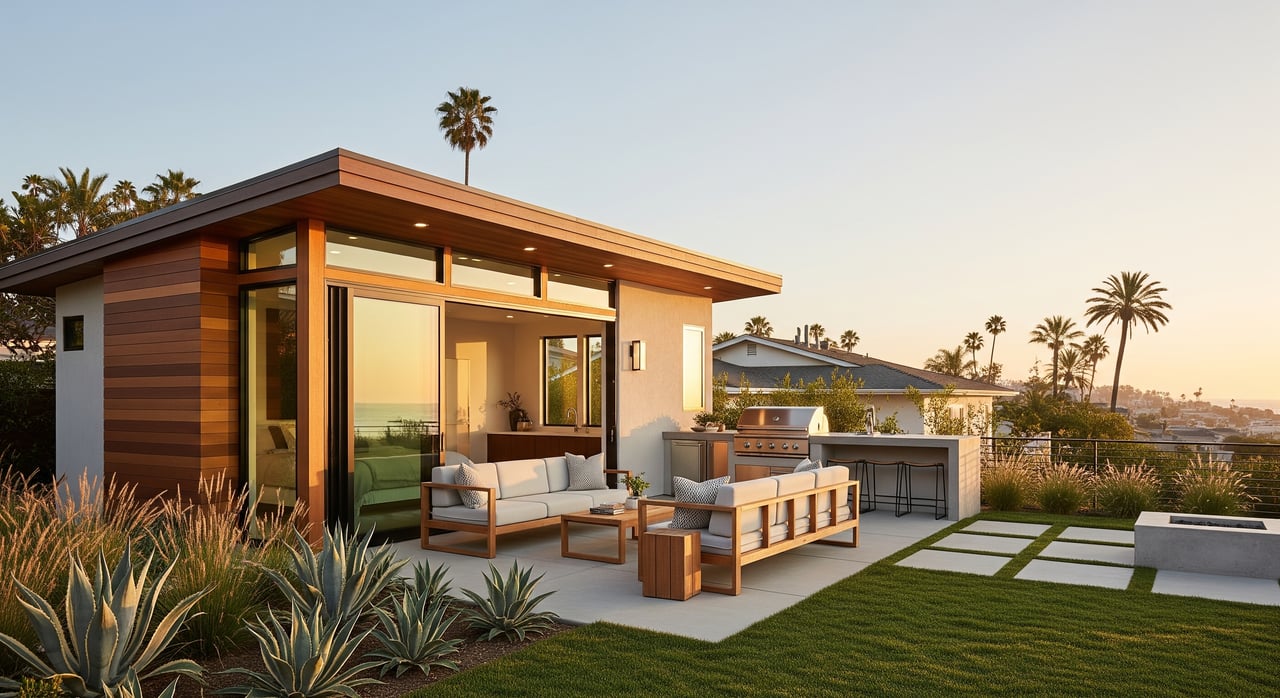
Huntington Beach ADU Rules, Costs & Rental Potential
Thinking about adding an ADU to your Huntington Beach property? You are not alone. Many local owners want extra living space, stable rental income, or a flexible setup for multigenerational living. In this guide, you will learn the rules that matter, what it may cost, how long it can take, and the rental potential so you can decide with confidence. Let’s dive in.
An accessory dwelling unit is a secondary home on the same lot as your main residence. ADU types include detached cottages, attached additions, garage conversions, and junior ADUs created inside the existing home. Each path trades cost, speed, and privacy in different ways.
In Huntington Beach and across Orange County, demand for small, well-located rentals stays steady. ADUs appeal to local workers, visiting professionals, and households who value a beach-adjacent lifestyle without the cost of a full single-family home. For owners, an ADU can add flexibility, long-term income, and potential resale appeal.
California has reformed ADU laws since 2016 to make building easier. The state limits local barriers, requires ministerial approvals for compliant projects, and relaxes former constraints like parking and owner occupancy in many cases. That means if your ADU meets objective standards, you should expect a faster, non-discretionary review.
Huntington Beach still sets local standards and manages permitting. You will work with Planning and Building to confirm size, height, setbacks, parking, and utility connections. Coastal zone parcels introduce special review. Always verify details with the City of Huntington Beach Planning Division before you design.
Most single-family lots can add at least one ADU if the site meets local standards. Many multifamily properties can add conversion units or detached ADUs within limits. If your home sits in an HOA, review CC&Rs and architectural requirements early. HOAs cannot override state law in many situations, but they can require design review and impose conditions.
Properties in special overlays, historic or environmental areas, or flood zones may face added steps. These do not automatically block an ADU, but they can influence design, costs, and timing.
State law sets broad maximums, often allowing ADUs up to about 1,200 square feet depending on type and lot context. Huntington Beach applies its own objective standards for size, height, and lot coverage. Junior ADUs are typically limited to 500 square feet and must be within the existing home.
Setbacks for detached ADUs are frequently reduced compared with main home requirements. Many cities allow small side and rear setbacks, often in the range of several feet. Height limits and second-story rules vary by zone. Get the city’s written standards for your parcel before finalizing plans.
Parking rules are more flexible than they used to be. State law allows waivers in many cases, such as near transit. Huntington Beach applies its local approach under state limits, so confirm whether you need a parking space or qualify for a waiver.
You will coordinate water, sewer, and electrical connections with the city and utilities. Some owners choose a separate meter, while others use a shared meter with submetering. Impact and permit fees may be reduced or capped for smaller units under state rules, with local fee schedules controlling specifics. If your property is in the coastal zone, expect additional review fees.
Huntington Beach includes coastal areas governed by a Local Coastal Program. Some ADUs in the coastal zone still receive streamlined, ministerial approvals if they meet standards. Others may require coastal review or a coastal development permit. Coastal requirements can influence setbacks, height, design, and construction timing. Confirm whether your parcel is in the coastal zone early in your planning.
State reforms have relaxed owner occupancy rules for many ADUs. In many cases, you may rent either the ADU or the primary home. You must follow state landlord-tenant laws and any applicable local rules. If your home sits in an HOA, review leasing rules in the CC&Rs.
Budgets vary widely in Southern California. Your total depends on whether you convert existing space or build new, the condition of your site and utilities, your finish level, and any coastal or fire-life-safety requirements.
Your soft costs include architecture, engineering, plan check, permits, utilities, and potentially coastal review. Construction scope and contractor availability can shift total cost and duration.
Owners typically fund ADUs with cash, a HELOC, a home equity loan, a cash-out refinance, or a construction loan. Some lenders offer ADU-focused products. From time to time, local programs or nonprofits support ADUs intended for affordable housing. Compare interest rates, loan-to-value ratios, and monthly payment impacts with your lender.
Expect a multi-phase journey:
A typical start-to-finish window runs about 6 to 18 months. Coastal review, utility upgrades, or HOA design review can extend schedules.
Huntington Beach benefits from strong regional drivers across the Anaheim–Santa Ana–Irvine metro. Beach access, jobs across Orange County, and limited new housing support consistent renter demand. ADUs attract renters looking for smaller, private homes close to amenities and employment.
To estimate rent, compare similar units: studios and one-bedrooms in your neighborhood with private entrances and updated finishes. Use multiple sources and keep a conservative view on vacancy. Many owners budget 5 to 10 percent vacancy depending on seasonality and local conditions. A property manager can validate current asking rents and expected time on market.
Short-term rentals in many coastal cities face strict rules and active enforcement. Huntington Beach has a history of strong oversight. Before planning an Airbnb or similar use, confirm the current ordinance, licensing, and permitted zones. For many owners, long-term leases of 30 days or more are simpler to manage and align with tenant protections and typical insurance requirements.
Start with a clear pro forma so you can compare design options and financing:
To understand payback, divide total project cost by your annual net cash flow. Keep a margin for unexpected costs during the first year. Some owners also value the flexibility for family, caregivers, or resale positioning, which is harder to quantify but real.
Every ADU project carries risk. Plan for the key ones:
Set yourself up for a smooth approval and a strong return:
When you are ready to align design, permits, and rent strategy with your property’s value goals, our team can help you compare scenarios and position the asset for long-term success. For confidential guidance tailored to your address, connect with the Christina Shaw Group.
Stay up to date on the latest real estate trends.
Buying or selling a home? Contact us now by filling out the contact form below and we will get back to you soon. Looking forward to speaking with you!