Corona Del Mar Village vs Hillside Homes: Which Fits?
Choosing between Corona del Mar’s Village and hillside homes often comes down to one simple question: how do you want your days to feel? If you are deciding between a walkable coastal setting and a more elevated, private residential environment, the distinction matters more than you might think. Understanding how these two parts of Corona del Mar function can help you narrow your search, protect resale appeal, and buy with more confidence. Let’s dive in.
In Corona del Mar, this is not just a comparison of home prices or architecture. It is really a comparison of daily rhythm, lot pattern, and topography.
The City of Newport Beach describes Corona del Mar as a pedestrian-oriented retail village serving surrounding neighborhoods. At the same time, local coastal planning documents describe the area as including bluffs, hillsides, and bluff-face development on a platform about 95 to 100 feet above sea level. That is why buyers often experience the Village and hillside areas as two distinct lifestyle options within the same larger community.
The Village is also a clearly defined micro-market. Community mapping identifies it as the Flower Streets and breaks it into five geographic sections, reinforcing that this compact area has its own identity within broader Corona del Mar.
Village homes are known for charm, variety, and proximity to everyday destinations. You will often see older coastal homes, renovated cottages, and newer custom infill on the flower-named streets.
This mix makes sense when you look at the area’s development history. City planning records show that parts of Corona del Mar Village date back to late-1940s and 1950s development patterns, which helps explain the range of parcel shapes and home styles you see today.
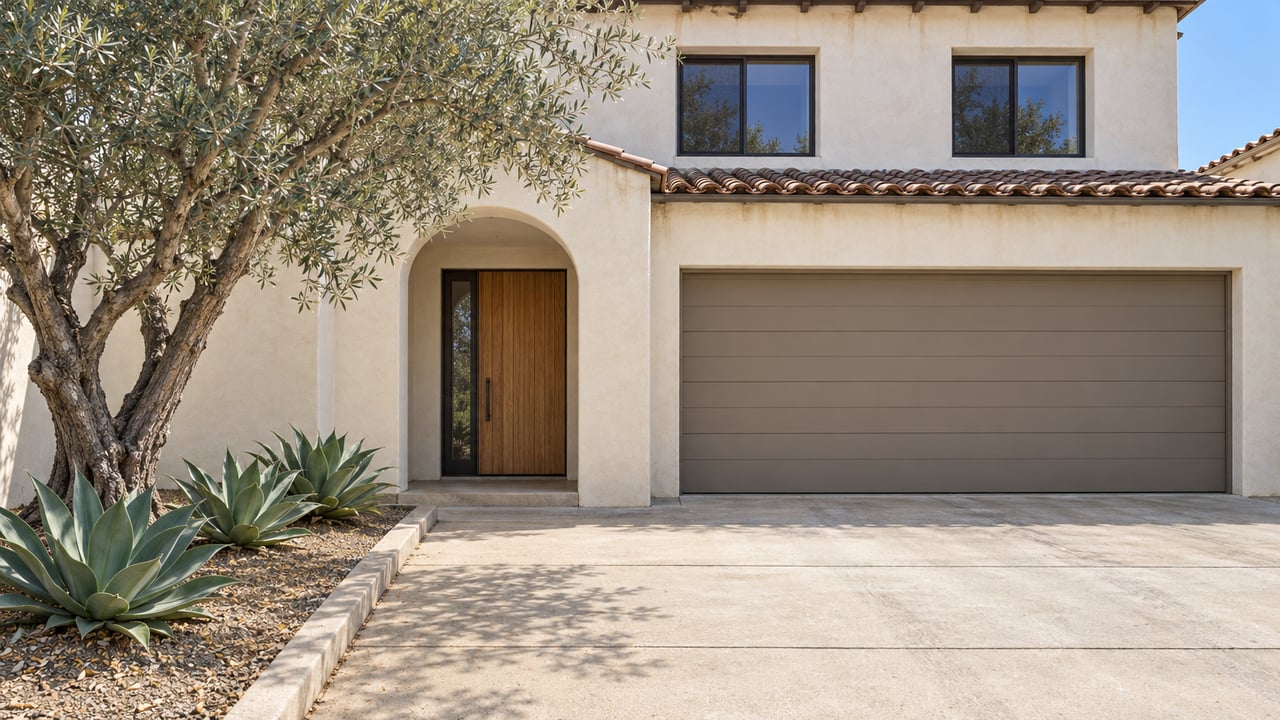
Architecturally, the Village tends to offer a blend of vintage and newer homes. Local descriptions point to Spanish-influenced, coastal contemporary, and modern residences sitting side by side, which creates a streetscape that feels layered rather than uniform.
If you want to walk to coffee, restaurants, and local services, the Village is usually the more natural fit. The City’s planning documents continue to center Corona del Mar around pedestrian access, and current corridor work still focuses on improving walkability, safety, connectivity, and parking.
That walkable character shapes everyday life. You may be able to leave the car parked more often, enjoy quick access to local retail and dining, and make spontaneous beach visits part of your routine.
The same energy that makes the Village appealing can also create friction points. Parking is an important part of the equation, especially if you entertain often or want simple day-to-day convenience.
The City notes free street parking on East Coast Highway with a strictly enforced two-hour limit, along with smaller municipal lots near local services. For beach trips, the Corona del Mar State Beach lot has 572 spaces and operates on a first come, first served basis from 6:00 a.m. to 10:00 p.m.
You should also expect a more active street environment in some pockets. The City classifies Corona del Mar Village as a designated high-density area for construction-noise purposes, which is worth noting if you are especially sensitive to nearby projects or prefer a quieter setting.
When buyers talk about hillside Corona del Mar, they are usually referring to the upland and bluff-adjacent areas above and around the Village. City map records include places such as Harbor View Hills, Irvine Terrace, and the Cameo Shores, Highlands, Shorecliffs, and Corona Highlands cluster as part of that broader residential picture.
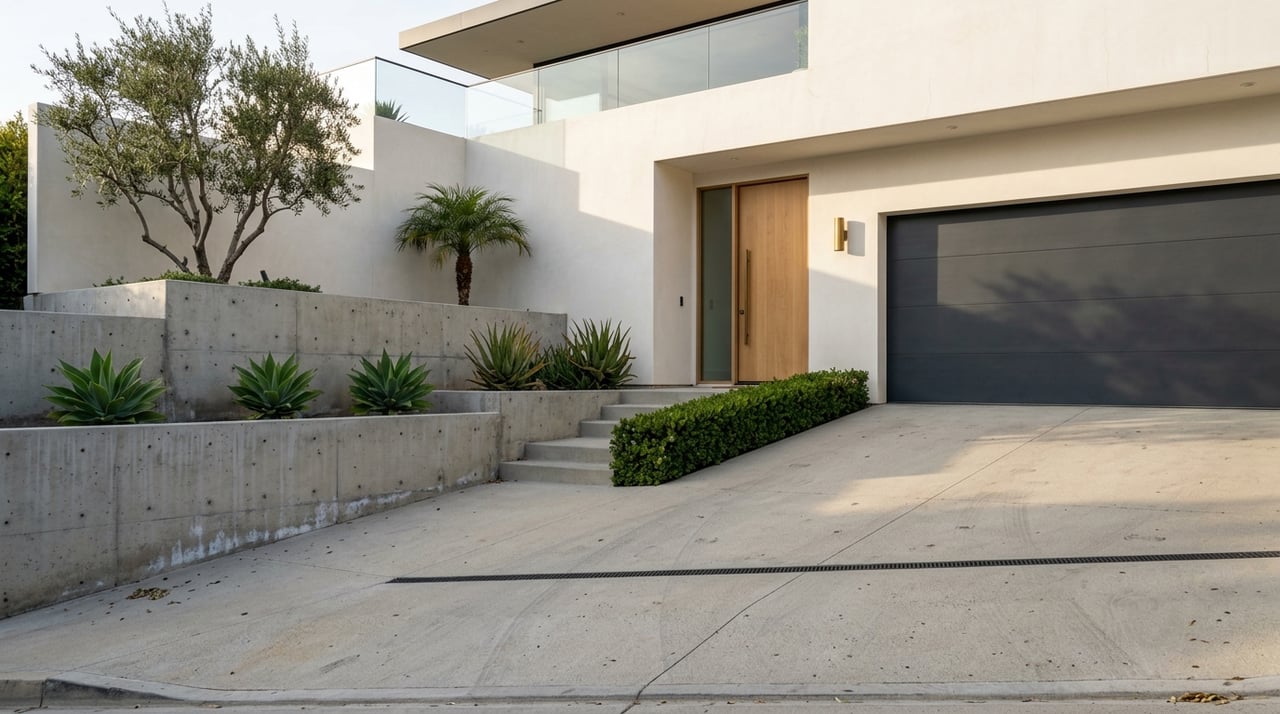
These areas typically feel more view-driven and more residential in character. Instead of compact infill patterns, hillside homes often sit on larger lots with a stronger emphasis on privacy, outlook, and separation from the busiest Village streets.
Harbor View Hills is a useful example. Official regulations describe primarily single-family residential development, including hillside-topography sections with minimum lot sizes of 6,000 square feet, average areas of 7,000 square feet per dwelling, and at least two garage spaces per single-family unit. Other Harbor View Hills sections require minimum lot sizes of 5,000 square feet.
Hillside living tends to be less about errands on foot and more about space, elevation, and a calmer residential atmosphere. If your ideal morning includes broader views, less foot traffic, and a little more breathing room, the hillsides may align better with your routine.
The natural setting is a major part of the appeal. Coastal planning documents identify ocean-facing bluffs in Corona del Mar, Shorecliffs, and Cameo Shores, and the local trail network includes routes that highlight bay, canyon, and bluff scenery.
This setting can also connect well with buyers who value nearby open space. Buck Gully and nearby access to Crystal Cove State Park add another dimension to the lifestyle, especially if you enjoy coastal trails, scenic drives, or being close to both beach and backcountry environments.
The biggest compromise is usually convenience on foot. You may have less immediate access to cafés, shops, and services than you would in the Village, and your day may depend more on driving.
There are also site-specific considerations that matter more in hillside or bluff-adjacent locations. Properties on or near bluff faces can be subject to stricter setback and stability requirements, so buyers should pay close attention to the physical characteristics of the lot and any related development constraints.
Both settings offer strong access to the outdoors, but they deliver it differently. In the Village, beach access feels direct and woven into the neighborhood experience.
Corona del Mar State Beach is a half-mile sandy beach framed by cliffs and a rock jetty. It is reached by an access road near Iris Street and Ocean Boulevard, and day-use amenities include restrooms, showers, and food service.
For many Village buyers, that closeness is part of the value proposition. The beach is not just a weekend destination. It can become part of your weekly routine.
Hillside buyers still benefit from coastal proximity, but the experience often feels more panoramic than immediate. Instead of stepping into a busy village grid, you may be trading a shorter walk for more expansive outlooks and a quieter home base.
If you are choosing between the two, start with your real habits rather than your idealized wish list. The better fit usually becomes obvious when you think about how you spend weekdays, weekends, and evenings.
The Village may suit you best if you value:
The hillsides may suit you best if you value:
As of April 2026, Corona del Mar is described by Realtor.com as a premium but balanced market, with a median listing price of $4,499,500, a median sold price of $3,547,500, and a median of 57 days on market. In a market at this level, buyers often weigh lifestyle fit just as heavily as square footage.
That is why resale potential is often tied to micro-location. A Village home may stand out most to buyers who prioritize walkability, beach access, and being close to retail and dining. A hillside home may resonate more with buyers focused on views, privacy, and a more traditional single-family setting.
Neither is automatically better. The stronger long-term choice is usually the one that aligns most clearly with the kind of buyer that property naturally attracts.
If you are still torn, think of the choice this way: the Village offers convenience and energy, while the hillsides offer space and perspective. Both are desirable, but they serve different priorities.
If you want to feel plugged into Corona del Mar’s walkable coastal core, the Village is likely the better match. If you want a more elevated and private setting with room to spread out, the hillsides may be the smarter fit.
At the luxury level, those distinctions matter. The right home is not just about what looks best online. It is about finding the micro-location that supports the way you actually want to live.
If you are weighing Corona del Mar’s Village against its hillside enclaves, Christina Shaw Group can help you compare lifestyle, lot characteristics, and resale positioning with the local insight that makes a difference.
Stay up to date on the latest real estate trends.
Buying or selling a home? Contact us now by filling out the contact form below and we will get back to you soon. Looking forward to speaking with you!