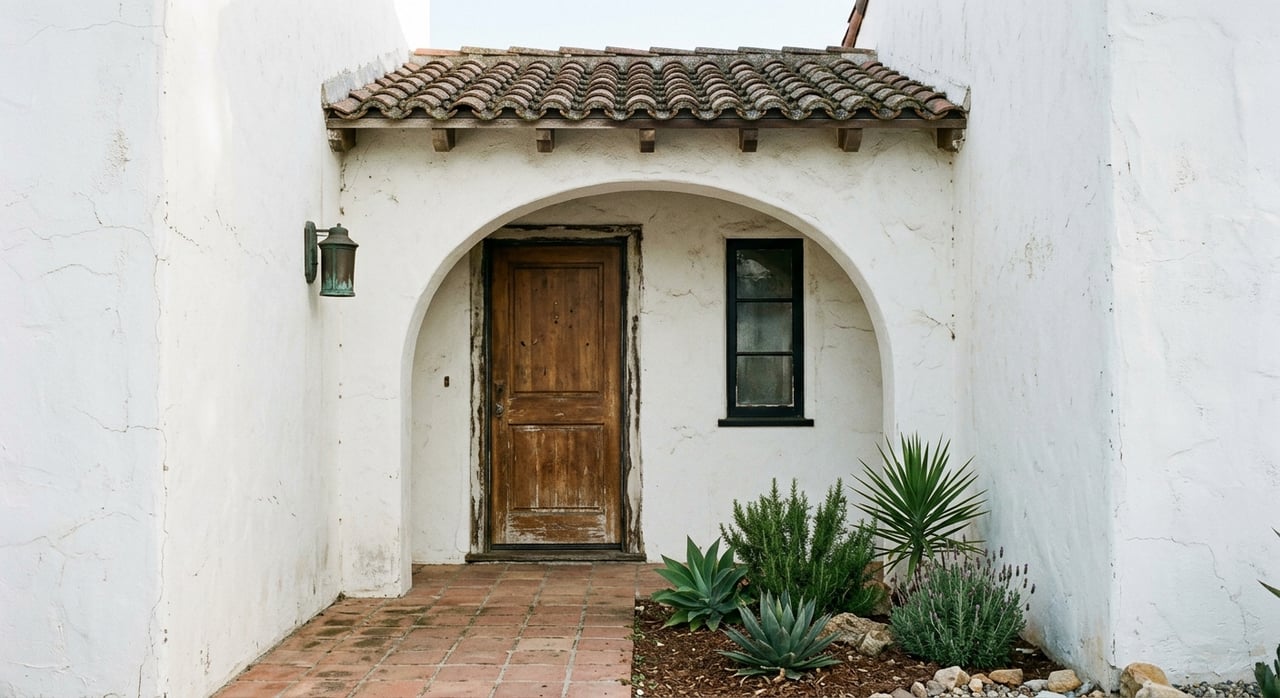
How To Evaluate A Huntington Beach Coastal Fixer-Upper
Buying a coastal fixer-upper in Huntington Beach can look exciting on paper, but the real question is not just how much work the home needs. It is whether the property’s location, condition, and permitting path will make that work far more complex than you expected. If you want to evaluate a rehab opportunity with more clarity and less guesswork, this guide will help you focus on the issues that matter most before you commit. Let’s dive in.
A Huntington Beach fixer-upper needs a different lens than an inland renovation project. According to the City of Huntington Beach, many properties are in or near a floodplain, and flooding can come from the Santa Ana River, local channels, or the Pacific Ocean. That means your feasibility review should begin with the property’s flood status, not just its layout or finishes.
The City advises buyers to consult the actual FEMA Flood Insurance Rate Map rather than rely on a simplified brochure map. If a property is in the floodplain, new construction or substantial improvement at or above 50% of the building’s value must comply with the City’s floodplain overlay regulations, including elevation requirements for residential structures. In practical terms, that can change your budget, your renovation scope, and your timeline.
Flood status is only one layer. Huntington Beach also has a certified Local Coastal Program, and development within the coastal zone generally may not begin until the required coastal development permit has been issued through the applicable authority. For buyers, that means a renovation plan may be affected by coastal-zone review even if the home looks like a straightforward remodel.
This matters because permitting delays can carry real costs. If your plan includes exterior changes, additions, major alterations, or site work, the property’s coastal-zone status should be reviewed early in your due diligence. A lower purchase price can lose its appeal quickly if approvals are slower or more restrictive than expected.
Coastal homes age differently. NOAA notes that salt spray frequently leads to corrosion of building materials, and moisture can contribute to decay. In Huntington Beach, that means your first inspection priorities should focus on water, corrosion, and long-term exposure rather than cosmetic flaws.
Start with the systems and surfaces most vulnerable to coastal conditions. A beautiful location does not protect a home from hidden deterioration, and some of the costliest issues are the ones you cannot fully see during a casual walkthrough.
These areas deserve extra attention because coastal moisture can speed up wear. If railings, connectors, or fasteners have corroded, or if drainage has allowed water to collect over time, the repair scope can expand quickly after closing.
Moisture problems are especially important in older coastal homes. The EPA states that mold grows where moisture is present, and hidden mold may require a professional experienced with water- and mold-damaged buildings. If a property shows signs of repeated leaks or dampness, a general walk-through is not enough.
Termites are another key risk. UC IPM says drywood termites are common along the Pacific coastal region, while dampwood termites are often found in cool, humid coastal areas. The presence of dampwood termites can also point to a moisture issue, which means pest findings may signal a larger repair problem rather than a simple treatment item.
If you see these signs, bring in specialists before you finalize your numbers. Hidden mold or water intrusion behind walls, under flooring, or in roof assemblies can materially change the renovation plan.
One of the smartest steps you can take is checking the property’s permit history. Huntington Beach’s permit center allows users to review permit records, submit applications, pay fees, schedule inspections, and track status online. For a fixer-upper, this history helps you understand what work may have been done properly, what may still be open, and what may never have been permitted.
Missing records do not automatically mean a deal is bad, but they should prompt questions. If prior additions, window replacements, roof work, or major system upgrades do not line up with the records, you may be inheriting permitting risk along with the house.
Not every update needs a permit. Huntington Beach lists painting, papering, tiling, carpeting, cabinets, countertops, and similar finish work as permit-exempt. Some replacement doors and windows may also be exempt if the waterproofing membrane is not altered and emergency egress dimensions are maintained or improved.
But there is an important catch. The City also states that exempt items are not exempt if they are in the Floodplain Overlay District or otherwise subject to planning review. So if you are looking at a home in a more regulated location, what seems like a light cosmetic remodel may not stay simple.
In California, the difference between a repair and an alteration can affect both scope and cost. The California Energy Commission says the Energy Code applies to additions and alterations to existing residential buildings, not repairs. Its guidance also notes that replacing windows, replacing roof surfaces, or altering HVAC components can trigger additional compliance requirements.
That distinction matters when you are estimating rehab costs. If your plan includes window replacement, roof replacement, or mechanical updates, you may need to account for code-related upgrades that go beyond the original line-item estimate.
For Huntington Beach coastal fixer-uppers, floodplain status can be a major financial turning point. If the home is in a floodplain or flood overlay area, substantial improvement rules may apply once the project reaches the threshold of 50% of the building’s value. At that point, compliance work such as elevation requirements for residential structures can dramatically reshape the project.
This is why buyers should not rely on rough renovation math alone. A project that looks profitable before flood compliance may look very different after a detailed review of the property’s location and regulatory triggers.
The best budget for a coastal fixer is layered, not simplistic. Instead of using one broad renovation number, break the project into categories so you can test the deal more realistically. This approach is especially useful in Huntington Beach, where hidden moisture, corrosion, termite damage, permitting issues, and flood-related compliance can emerge after inspections begin.
Your hidden-condition contingency matters more in a coastal fixer than in many inland rehabs. If demolition reveals moisture damage, mold, corroded connectors, or unpermitted prior work, you will want room in your budget to adjust without losing control of the project.
Once you move from evaluation to planning, contractor diligence becomes critical. The California Contractors State License Board advises consumers to verify a contractor’s license status, insurance, and bond. Contractors must show their license number on bids and contracts, and anyone performing work that requires a building permit or work valued at $1,000 or more must hold a valid license.
CSLB also recommends getting at least three bids, checking recent similar projects, confirming the contractor will obtain required permits, and keeping all project documents in a job file. These steps can help you compare pricing more accurately and reduce the chance of avoidable problems during construction.
Another useful safeguard involves deposits. CSLB states that a home-improvement down payment may not exceed 10% of the contract price or $1,000, whichever is less, unless a specific bond exception applies. For buyers taking on a fixer, that rule can help limit risk before the full scope of hidden issues is understood.
If the property is in a Special Flood Hazard Area, flood insurance may be required when there is a mortgage from a federally regulated or insured lender. Huntington Beach also notes that it participates in the National Flood Insurance Program and that NFIP coverage includes a 30-day waiting period to take effect. That makes timing part of your deal analysis.
In other words, flood insurance is not just a box to check later. It can affect your monthly carrying costs, lender requirements, and planning timeline from the start.
The strongest coastal fixer strategy is not always the flashiest remodel. In many cases, the better long-term value comes from solving the issues buyers worry about most, including water intrusion, drainage, unsafe or outdated systems, and missing permit documentation. A clean, documented renovation story is often more persuasive than a surface-level cosmetic update.
When you evaluate a Huntington Beach fixer-upper, ask yourself a simple question: will this project leave the next buyer with more confidence? If the answer includes documented permits, corrected moisture issues, and work that aligns with current requirements, you are likely looking at a more defensible investment.
If you are considering a coastal fixer-upper in Huntington Beach and want a clear, strategic view of the risks and upside, the Christina Shaw Group offers boutique guidance backed by deep Orange County market knowledge and a high-touch client experience.
Stay up to date on the latest real estate trends.



Buying or selling a home? Contact us now by filling out the contact form below and we will get back to you soon. Looking forward to speaking with you!