What Corona del Mar's Median Price Doesn't Tell You
Look up the price of a home in Corona del Mar this month and you'll get three different answers, and none of them are wrong. One listing platform puts the citywide median at $4.44 million with a price per square foot of $1,791, down slightly from a year earlier. Another shows a median sale price of $4.4 million over the trailing 30 days, but calculates it as up more than 22 percent year over year, with a price per square foot above $2,000. A third source, tracking a full 12 months of closed sales, lands closer to $3.15 million.
These aren't measurement errors. Corona del Mar isn't one housing market. It's two, running side by side on the same blocks, and a single line in the Newport Beach municipal code is a big part of why they haven't merged into one.
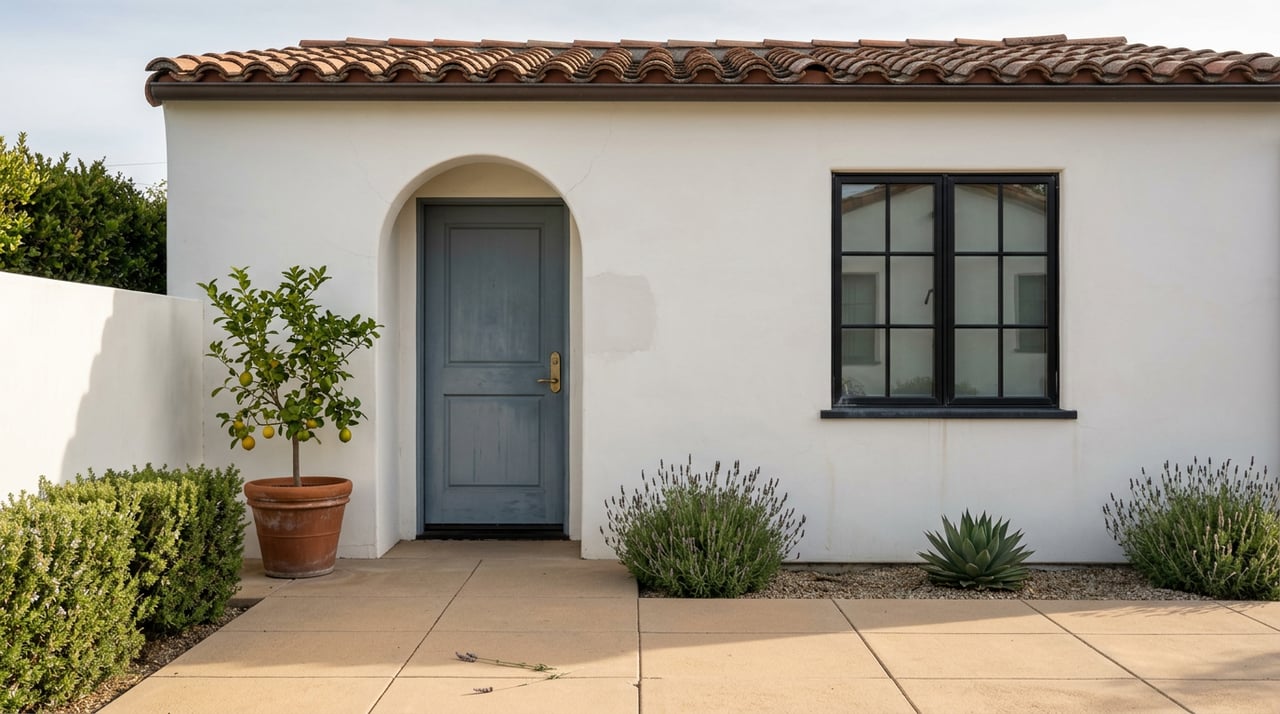
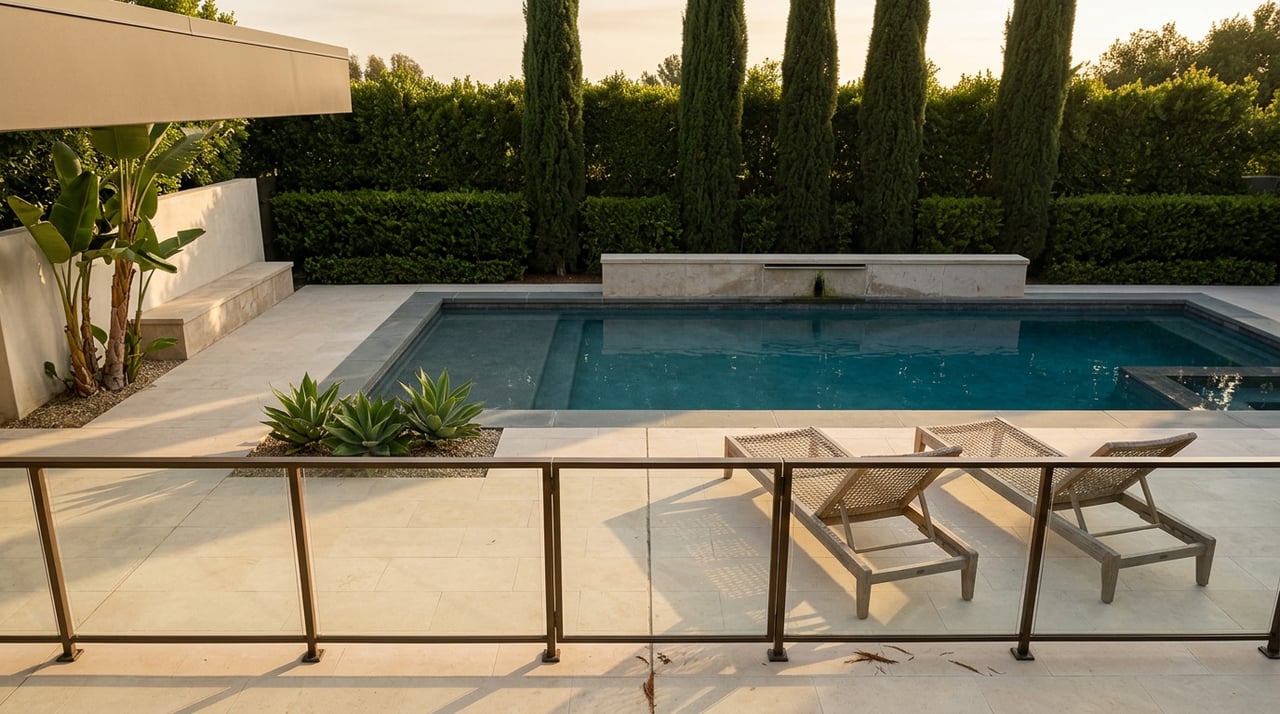
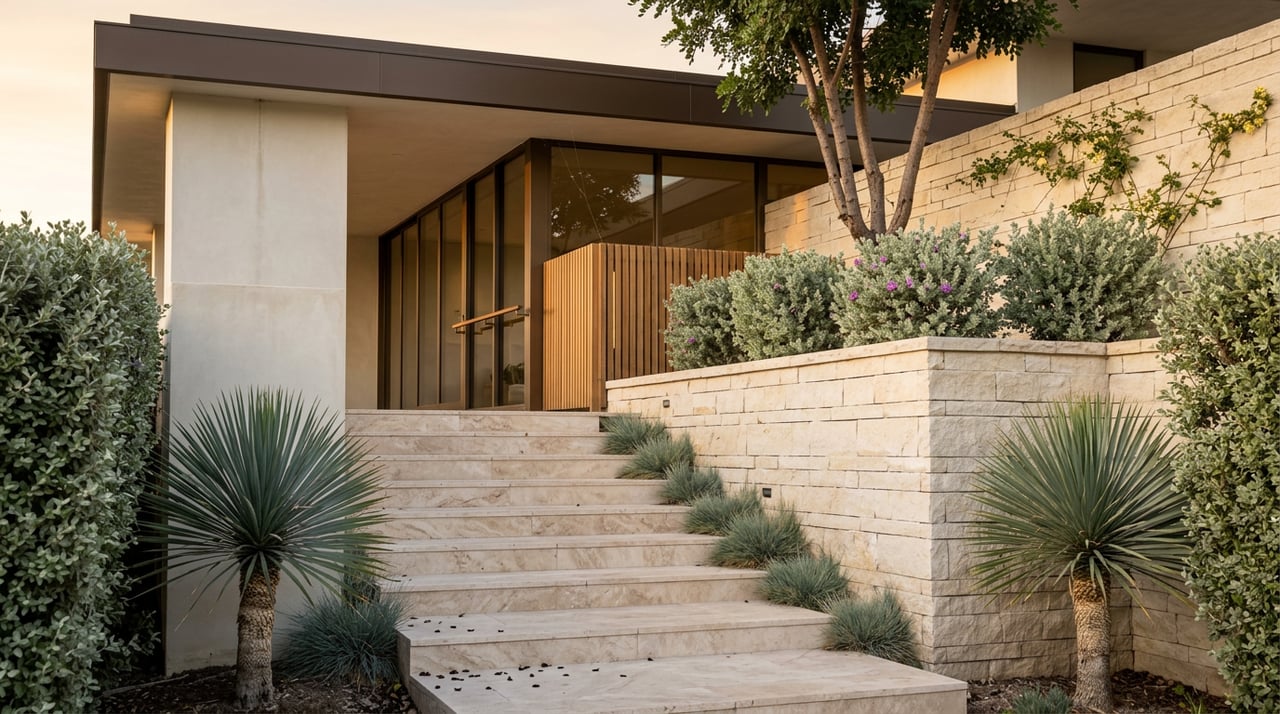
Walk any of the Flower Streets, the grid of residential blocks named alphabetically after flowers like Amethyst, Begonia, and Carnation, and you'll see the split in real time: a 1948 one-story bungalow with a low picket fence standing next to a three-story glass-and-limestone rebuild with a rooftop deck and an elevator. Locals have a name for the resulting streetscape. They call Corona del Mar a permanent construction zone, because on any given week there's a remodel or teardown underway on nearly every block.
The economics of those two housing types don't behave the same way, which is why the "median" keeps sliding around depending on which slice of the market a given data provider happens to have caught that month.
| Segment | Typical size | Typical price (recent sales) |
|---|---|---|
| Flower Streets cottage | 900 to 1,000 sq ft | Low to mid $2 million |
| Contemporary rebuild, non-oceanfront | 3,000+ sq ft | Mid $3 million to high single-digit millions |
| Bluff or Ocean Boulevard estate | 5,000+ sq ft | $10 million to $20 million-plus |
A trailing-30-day snapshot with only a handful of closed sales can get pulled hard in either direction by which segment happened to trade that month. One data source's own numbers make the point: 13 homes sold in its most recent 30-day window, up from 11 the year before, off just 6 new listings. That's a thin enough sample that a single Ocean Boulevard closing can swing the median by hundreds of thousands of dollars.
The reason cottages and rebuilds keep coexisting instead of the cheaper option simply disappearing traces back to a specific rule in the Newport Beach Municipal Code, Section 15.02.060. It says that once a remodel or addition permit is valued above 50 percent of the home's market value, the entire project has to comply with full new-construction building code, not just the new work. For an owner of a small, older cottage, that threshold is easy to cross with a fairly modest addition, and once you cross it, the project effectively becomes a ground-up rebuild in everything but name. That single rule is why so many CdM owners look at a "remodel" and decide a teardown pencils out better.
In 2022, the city built a release valve for owners who wanted a middle path. The voluntary cottage-preservation program lets a qualifying older cottage add up to 50 percent of its existing floor area, or 750 square feet, without triggering the full new-construction code treatment, as long as the finished home stays inside a defined, intentionally modest envelope: one story and a maximum height of 16 feet on the front half of the lot, two stories and 24 feet on the rear half, with no third floor or third-floor deck allowed at all.
In plain terms: the city will let you nearly double a small cottage's footprint and still treat it like a light remodel, but only if you agree to keep the silhouette low and old-fashioned instead of building the tall, view-chasing box that's legal almost everywhere else in the village.
That tradeoff is why the cottage stock hasn't been fully replaced by rebuilds. Some owners take the deal because it's genuinely cheaper and faster than a full teardown. Others skip it because the capped envelope, no third story, no roof deck, limits what a buyer would eventually pay for the improved home. Either way, the decision an individual owner makes on any given lot is shaping what you see when you compare two houses two doors apart that look nothing alike and sit at wildly different price points.
One more detail worth knowing if you're evaluating a cottage specifically: the deed restriction that comes with the preservation program isn't permanent. The city has been clear that a property under a cottage-preservation deed restriction can still be redeveloped later, under whatever standards are in effect at that future date. That means choosing the preservation path today doesn't foreclose a full rebuild down the road. It's a strategic choice about sequencing, not a permanent cap on the lot's future.
Parts of the village fall under a planned-community zoning overlay known as PC-29, which layers additional setback, height, and lot-coverage rules on top of the citywide code. Any owner planning a remodel or rebuild in CdM needs to check both the Coastal Land Use Plan and whether their specific block falls under PC-29 before assuming they know what they're allowed to build. Bluff-top and slope lots carry a further requirement.
Here's the detail that should reframe how you read any listing in this village: the smaller, older cottage is often more expensive per square foot than the newer, larger house down the block. A 900 to 1,000 square foot Flower Streets cottage selling in the low-to-mid $2 million range works out to somewhere around $2,200 to $2,500 per square foot. A 3,000-square-foot contemporary rebuild selling for $4 million lands closer to $1,300 per square foot, a noticeably lower rate despite the newer systems, the taller ceilings, and the finish level.
That inversion isn't a pricing mistake. It's the market telling you that in a built-out coastal village with almost no vacant land, the lot and its position, not the structure sitting on it, is the scarce asset. Buyers paying a premium per square foot for a small cottage are largely paying for the dirt, the location inside the coastal zone, and the option to remodel or eventually rebuild on their own timeline. The larger new-construction home is priced more like what it is: a finished product, where the underlying land value is a smaller share of the total.
If you're comparing Corona del Mar against another coastal neighborhood using a single median price or a single price-per-square-foot figure, you're comparing an average of these two very different economic stories, and the average tells you less than either half does on its own.
The most useful number for a buyer or seller right now isn't the median at all. It's the sale-to-list ratio and the share of listings taking price cuts, because those numbers describe how negotiations are actually going, not just what closed.
Recent trailing-30-day data put the sale-to-list ratio at 87.94 percent, down more than 8 points from the same period a year earlier. In that same window, zero percent of homes sold above their asking price, a sharp drop from the year before, and nearly 38 percent of active listings had taken at least one price reduction. Meanwhile, current listings overall were sitting at a median of 109 days on market as of August 2026, essentially unchanged from a year ago, even though the homes that did sell in the trailing 30-day window moved faster than they had the year before.
Put together, that's a market where the headline median can rise because a few large transactions closed at the top of the range, while the broader pool of listings sits, gets repriced, and closes below ask. For a buyer, that's real room to negotiate on anything that isn't a trophy bluff property. For a seller with a standard cottage or a mid-tier rebuild, it means pricing to the block's recent comps matters more than pricing to whatever the last headline median said.
If you're deciding between a Corona del Mar cottage and a comparable new build elsewhere in coastal Orange County, the zoning mechanics above should shape the comparison more than the sticker price does. A cottage purchase in the Flower Streets comes with real optionality: you can live in it as is, use the preservation program to add space without a full rebuild, or hold it and redevelop later under future standards. A new-construction purchase trades that optionality for a finished, code-current home with none of the sequencing decisions ahead of you, at a lower price per square foot for more delivered space.
Neither path is right or wrong. But walking into either one without understanding Section 15.02.060, the preservation program's envelope caps, or how thin the current sales sample is, means you're negotiating against a median that doesn't describe the specific house you're looking at.
If you're weighing a cottage against a rebuild in Corona del Mar, or trying to figure out which side of this split market a specific listing actually falls on, the Christina Shaw Group can walk the comps block by block and help you price the decision correctly before you write an offer. Request a Private Valuation to start the conversation.
Is a cottage-preservation deed restriction permanent? No. The city has confirmed that a property under this restriction can be redeveloped later under whatever building and zoning standards are in effect at that time. It changes what you can build today, not what's possible eventually.
Why do different sites show such different median prices for Corona del Mar? Because they're measuring different slices of a market that genuinely contains two different products, cottages and new construction, at very different price points. A trailing-30-day median with only a handful of sales can swing heavily based on whether a bluff estate or a small cottage happened to close in that window.
This article is general information, not legal, tax or financial advice. Consult a qualified professional about your situation.
Stay up to date on the latest real estate trends.
Buying or selling a home? Contact us now by filling out the contact form below and we will get back to you soon. Looking forward to speaking with you!