Newport Coast View Home Value: How Views and Lots Shape Price
Two homes in Newport Coast can share a floor plan and finish level yet sell for very different prices. The difference often comes down to what you see from the windows and how you can use the land outside your doors. If you understand how view quality and lot design change buyer demand, you can price, negotiate, and invest with confidence. This guide breaks down what matters most, how to verify it, and how to act on it. Let’s dive in.
Newport Coast is a cluster of high-end enclaves set on bluffs, ridgelines, and canyons. Small shifts in elevation, orientation, or street position can change a home’s outlook and privacy. Buyers place strong value on ocean and sunset views, gated privacy, and usable outdoor living space near beaches, trails, and luxury retail. Those preferences show up in listing narratives and, more importantly, in what homes actually command when they sell.
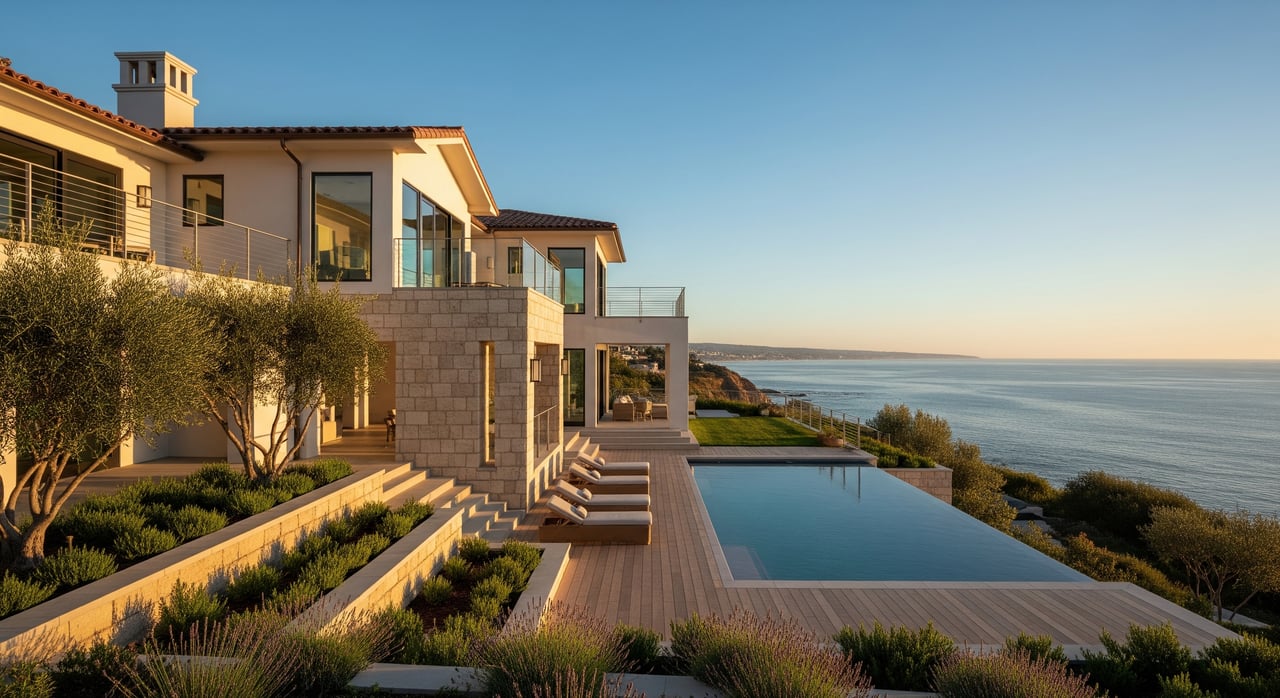
Unobstructed ocean views are the strongest single view premium in coastal Orange County. Buyers respond to wide horizons, west-facing sunsets, and recognizable features like islands, the Crystal Cove coastline, or the harbor. Elevation helps when it reduces foreground clutter and captures a broad, stable outlook. Views that sit over public open space are more durable and often hold value better than views over private, buildable parcels.
Canyon, hillside, and ridgeline vistas can add meaningful value. They create a sense of open space and serenity, especially when they align with terraces, pools, or outdoor rooms. Long canyon sightlines without visible development tend to perform best. Many buyers choose these outlooks for privacy and calm rather than prestige.
City-light and harbor views add lifestyle appeal, especially in the evening. Nighttime sparkle can enhance outdoor entertaining and primary living areas. While often valued below a true ocean panorama, these views still support higher pricing when well oriented and free of intervening structures. They become more compelling when paired with usable outdoor space.
Partial views or outlooks that change with tree growth or seasonal foliage usually carry smaller premiums. Value depends on how much of the horizon you actually see and whether future construction could reduce it further. Confirm view lines from key rooms and terraces. Check whether nearby lots have the right to build up or add landscaping that could block your line of sight.
Protected views over parkland, public open space, or deep setbacks are more stable. Non-protected views over privately owned, buildable parcels carry future risk. Buyers and appraisers typically apply stronger adjustments for protected lines because the outlook is less likely to change.
West and southwest orientations that capture sunsets and ocean exposure are highly desirable. South-facing yards often provide optimal sun for pools and outdoor living. East-facing lots tend to receive less of a sunset premium but can work well for morning light and energy considerations. Match orientation to the lifestyle you want.
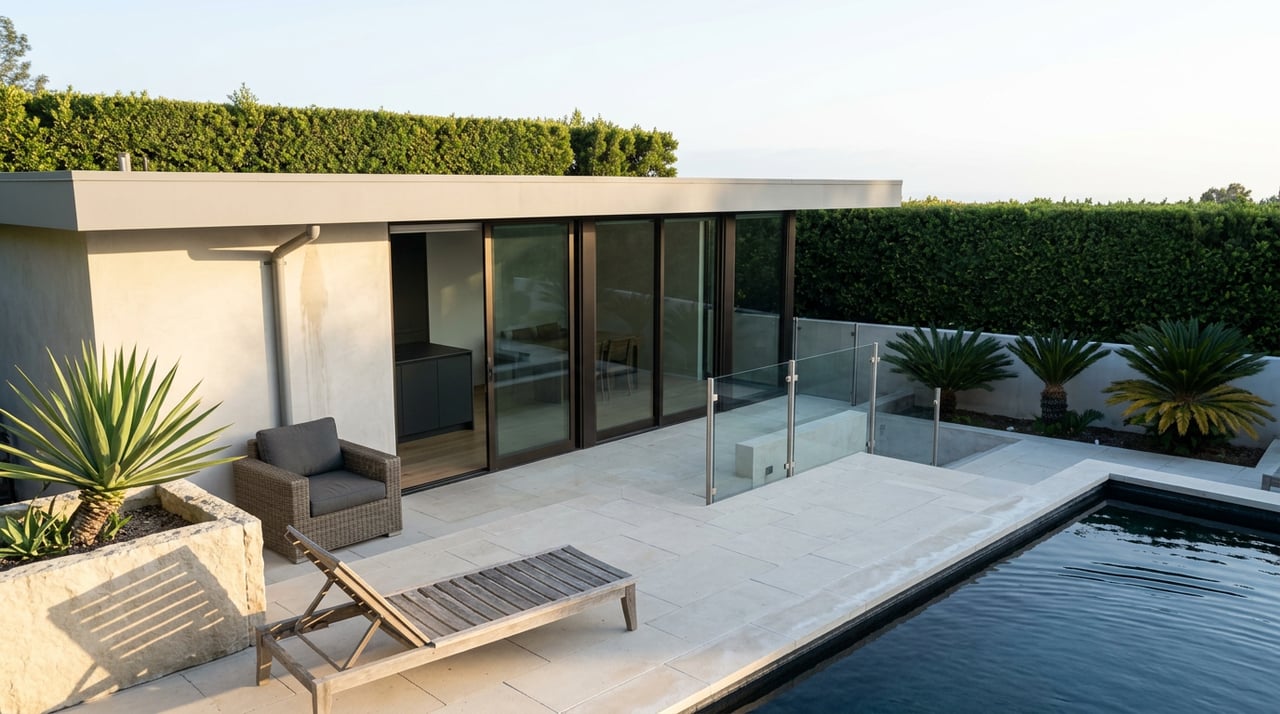
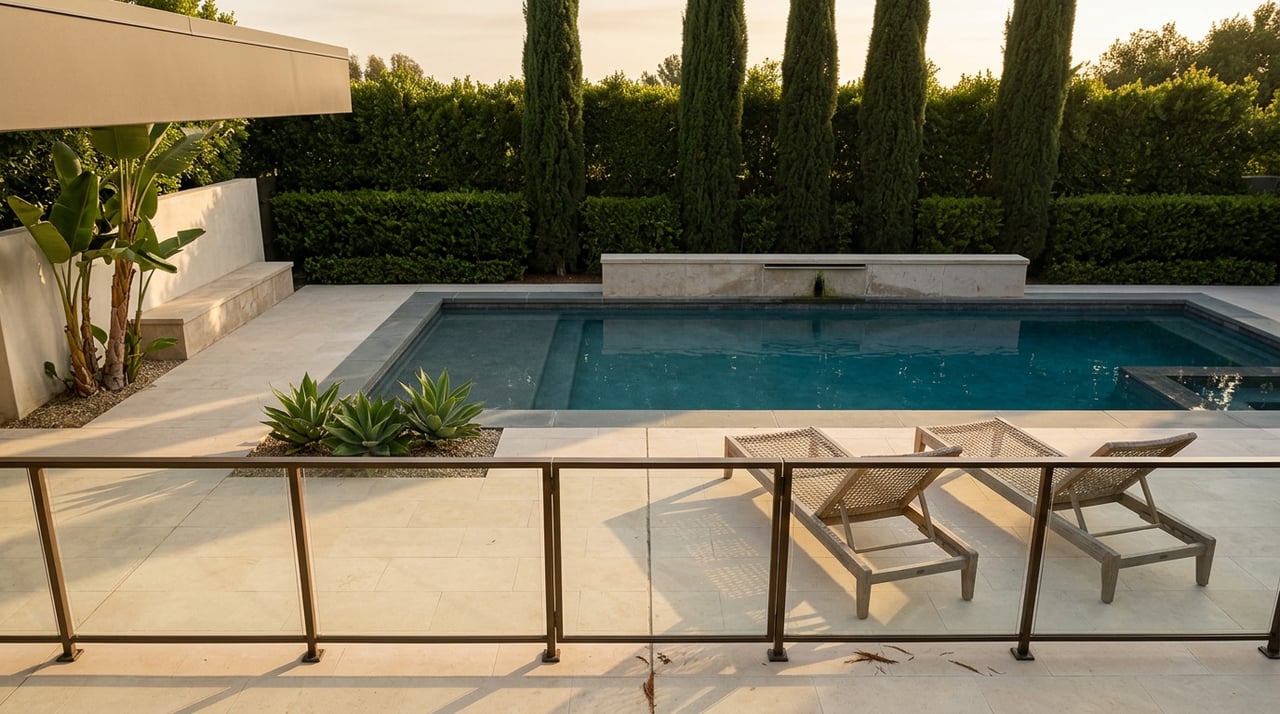
Usable flat area often matters more than raw lot size on sloped or terraced parcels. A larger, level backyard that supports a pool, lawn, or outdoor kitchen adds direct market value. Irregular or narrow shapes can limit expansion even if the total square footage looks large. Focus on the buildable envelope and how you can actually live outside.
Ridge and bluff positions can unlock bigger views and stronger privacy. They can also bring wind exposure and specific regulatory or insurance considerations near coastal bluffs. Elevation that clears rooftops without sacrificing usability often strikes the best balance. Evaluate both the view gain and any tradeoffs.
Cul-de-sacs and private drives usually reduce traffic and enhance privacy, which buyers value in luxury areas. Corner parcels can offer wider side yards and design flexibility but may feel more exposed. Lots that front busier collector roads typically trade at a discount. Mature landscaping, berms, and walls where permitted can improve privacy and perceived value.
Utility easements, public trail access, or restrictive setbacks can shrink your usable area. Coastal bluff setbacks and slope easements often apply near the shoreline. Always confirm recorded encumbrances so you know what you can build and where.
Appraisers compare recent sales and adjust for differences in view quality, orientation, and lot usability. There is no fixed percentage for view premiums because the market’s reaction changes with supply, demand, and the exact outlook. A practical way to think about pricing is to classify views by tiers and compare within each tier:
In strong demand cycles, the spread between tiers can widen. In quieter cycles, premiums compress. The most reliable read comes from recent local sales that share the same tier and similar lot traits.
Pelican-area ridgelines and similar high-elevation tracts tend to offer wider horizons and privacy, which supports stronger pricing when the outdoor program matches the view. Homes that back to public open space, including areas near Crystal Cove State Park, often enjoy more stable sightlines because foreground development risk is lower. Inland gated enclaves without water views still trade well when they deliver privacy, sun exposure, and large, usable yards. Across these micro-markets, small differences in view permanence and lot layout can move value more than interior finish upgrades.
If you want a clear read on how your view and lot translate to market value, we can help you benchmark against the right micro-market comps and present your premium with confidence. For buyers, we model view stability and lot usability so you can bid smart and avoid surprises. Connect with the Christina Shaw Group to Request a Private Valuation.
Stay up to date on the latest real estate trends.
Buying or selling a home? Contact us now by filling out the contact form below and we will get back to you soon. Looking forward to speaking with you!