Refresh or Remodel Before Listing in Laguna Beach?
Unsure if a quick refresh will do the job or if your Laguna Beach home needs a deeper remodel before hitting the market? You are not alone. In a coastal luxury market, the right prep can change both your days on market and your final sale price. This guide gives you a clear, local framework to decide, plus realistic budgets, timelines, and permitting tips tailored to Laguna Beach. Let’s dive in.
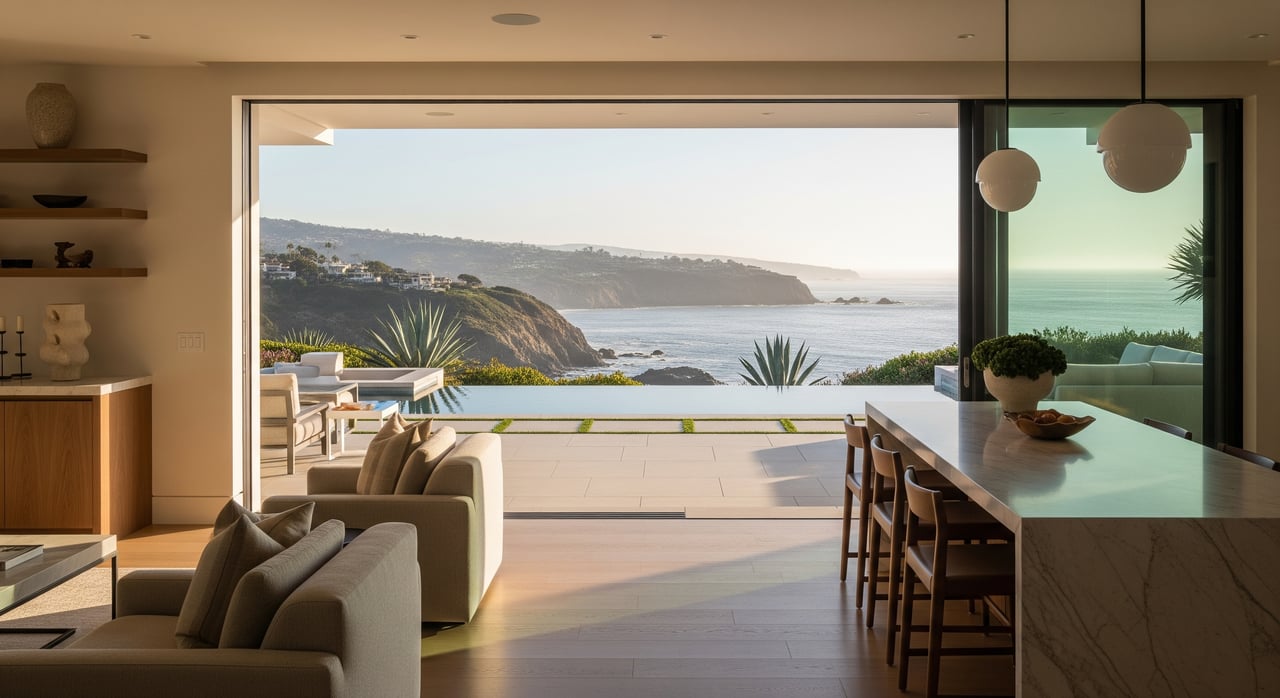
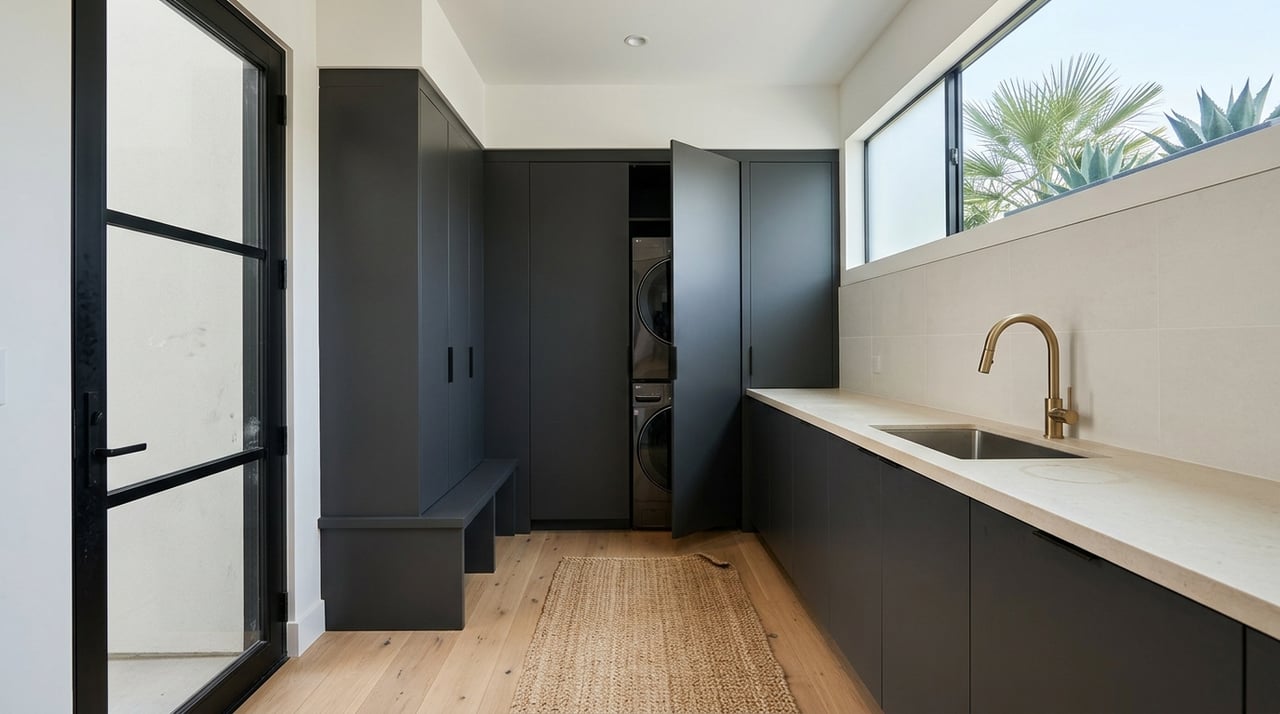
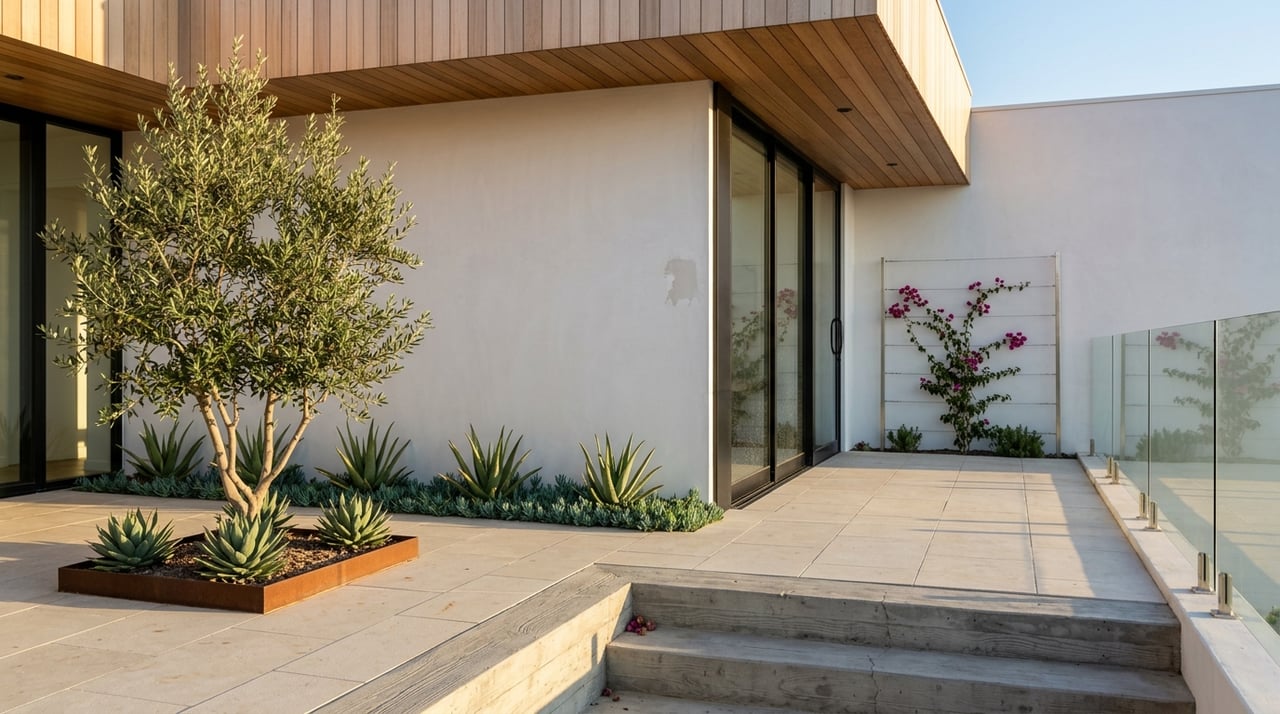
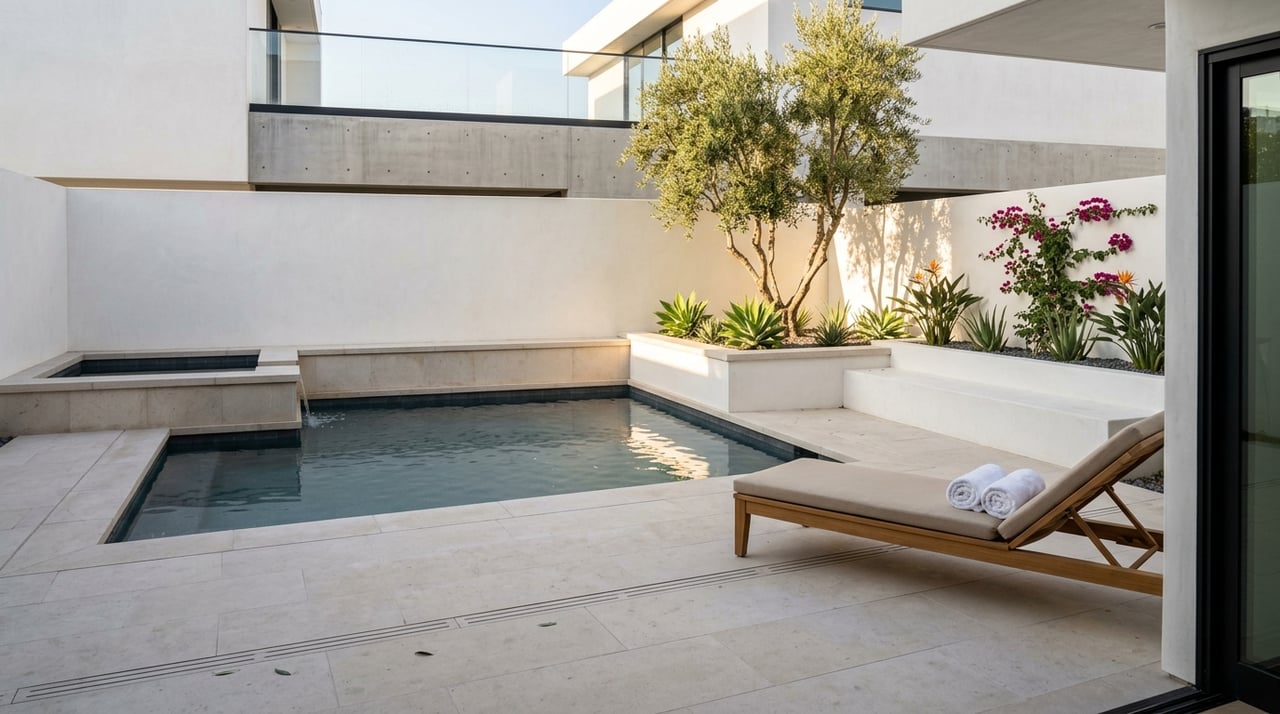
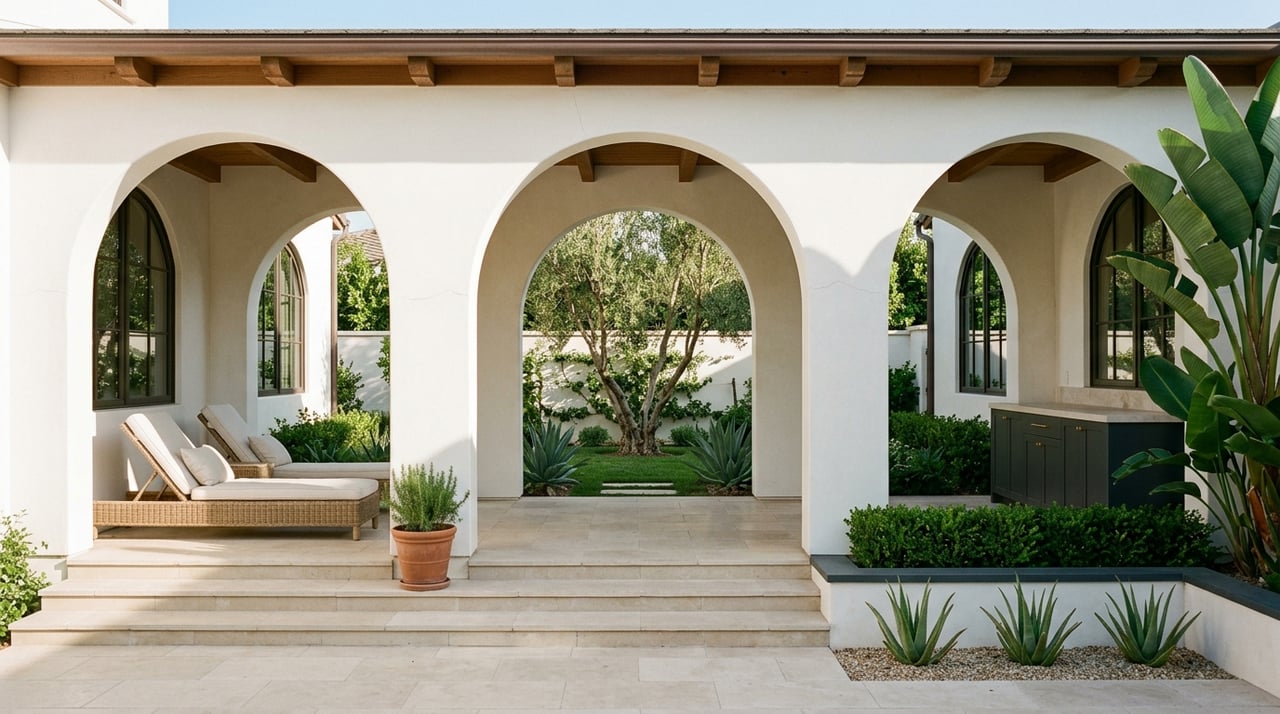
Laguna Beach buyers pay a premium for ocean proximity, views, walkability, outdoor living, and high-quality finishes. Many expect move-in ready homes with updated kitchens and baths, indoor-outdoor flow, and durable materials suited to salt air.
Market pace matters. In faster seasons, smaller refreshes often attract multiple offers. When the market slows, buyers have more leverage and may discount for dated condition.
Comps drive pricing. If nearby sales show recent renovations, an outdated interior may sit unless you upgrade. If comps are older yet still selling well, a focused refresh can be enough.
Choose a refresh when:
Consider a remodel when:
These items are relatively low cost and boost perception fast. In coastal luxury, cleanliness, light, and visual harmony are especially influential.
Major remodels can lift the price, but returns vary. Outcomes depend on matching buyer preferences, execution quality, and alignment with local comps.
Costs in coastal Orange County vary widely. Always get local bids. As a planning guide:
Timing expectations:
Industry benchmarks indicate curb appeal projects and some midrange kitchen and bath updates tend to recoup a higher share of cost than ultra-custom builds. In luxury coastal markets, buyers may penalize dated homes more heavily, so well-targeted upgrades can protect value even if they do not recover every dollar.
Laguna Beach requires permits for most exterior work and structural changes. Projects near the shoreline may involve local coastal permitting and design review. Interior cosmetic work typically needs fewer approvals, but electrical, plumbing, mechanical, and structural updates generally require permits. Allow added time for reviews, drawings, and inspections.
Condominiums and some neighborhoods have HOA architectural rules that regulate materials, colors, and exterior changes. Historic or preservation overlays may restrict certain exterior alterations. Review these early to avoid delays and change orders.
Salt air corrodes standard hardware and finishes. Choose corrosion-resistant materials such as stainless steel and marine-grade hardware. Many lots are on slopes that may need engineered solutions for grading, retaining, or foundations. Properties close to the shore can sit in flood zones or areas with sea-level-rise considerations. These factors can add engineering, materials, or mitigation costs.
Short-term rental rules vary by city and HOA, and they can affect buyer demand and valuation. Structural remodels may trigger code upgrades for electrical, seismic, and other systems. Insurance coverage and premiums can change after significant alterations.
Get a local CMA. Ask for a detailed comparative market analysis focused on your micro-neighborhood and price band.
Walk the property like a buyer. Prioritize entry, main living areas, primary suite, kitchen, baths, and outdoor spaces.
Tackle quick wins first. Neutral paint, deep clean, declutter, fix obvious defects, upgrade bulbs to bright LEDs, and tidy the landscape.
Stage and shoot. Professionally stage key rooms and invest in top-tier photography, including twilight and, where relevant, aerial shots.
Inspect strategically. If system condition is uncertain, consider pre-listing inspections for roof and HVAC. Disclosing early can reduce renegotiation later.
Scope optional upgrades. If comps point to higher finishes, get 2 to 3 bids for targeted updates to the kitchen, baths, or outdoor areas.
Plan for permits. If any work involves structural, electrical, plumbing, or exterior changes, speak with the city, and consult an architect or contractor about feasibility and timing.
Document improvements. Keep receipts, permits, and contractor info. These support buyer confidence and may aid tax basis tracking. Consult a tax advisor for guidance on the treatment of capital improvements and timing.
If nearby sales are all recently renovated at your target price, and your layout is sound but finishes are dated: a targeted kitchen and primary bath refresh, plus staging and landscaping, can close the gap.
If comps are mixed and days on market are low: a strong refresh with paint, lighting, flooring touch-ups, and staging may be sufficient without a full remodel.
If your hillside home has a closed-off kitchen and one small bath serving three bedrooms: adding an en suite or opening the kitchen may materially improve marketability, but expect permits and a longer timeline.
If your near-ocean condo has strict HOA exterior rules: focus on interior finishes, fixtures, and staging that show durability and style without exterior alterations.
Start with comps, then prioritize high-impact refreshes that help buyers see the lifestyle your property offers. Consider a remodel only when function lags behind the neighborhood or when a targeted change materially improves value. If timing and risk do not align, list with a polished refresh and premium marketing.
Ready to decide the smartest path for your home? Request a Private Valuation and a room-by-room prep plan from the Christina Shaw Group.
Stay up to date on the latest real estate trends.
Buying or selling a home? Contact us now by filling out the contact form below and we will get back to you soon. Looking forward to speaking with you!