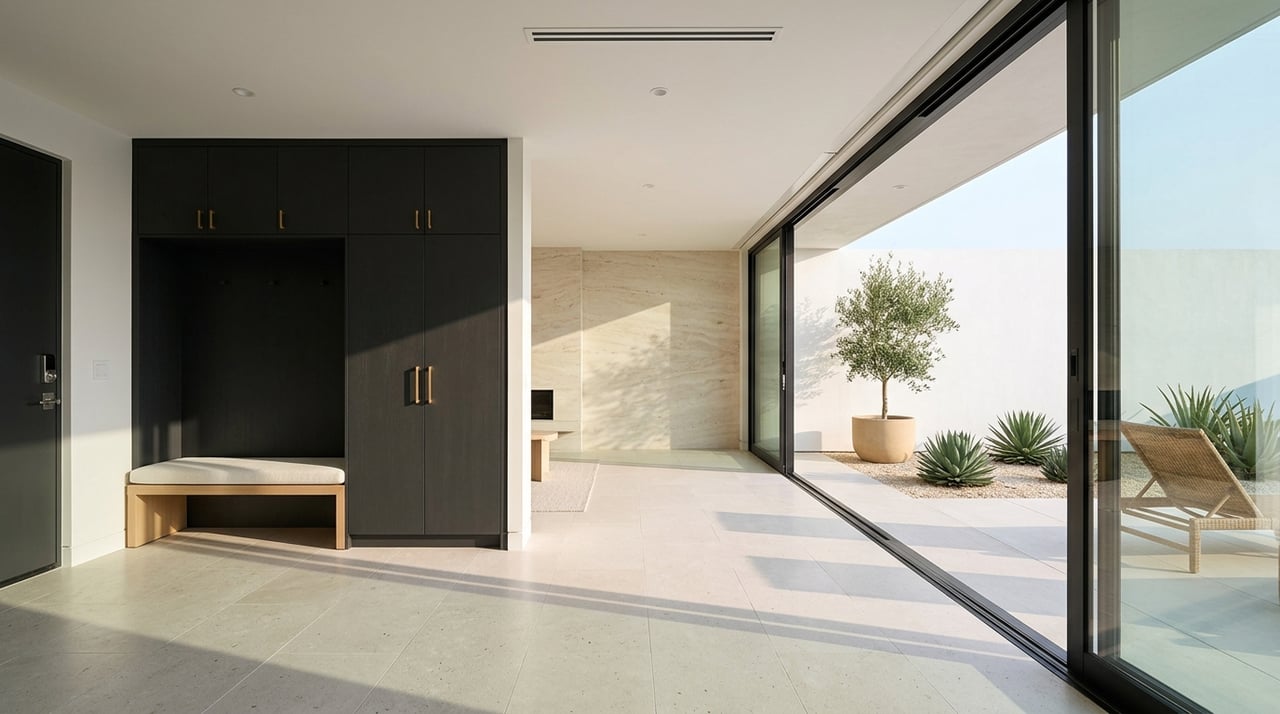
Buying A Vacation-Ready Home In Newport Coast
If you are dreaming about a second home that feels like a private resort, Newport Coast likely sits high on your list. The appeal is easy to understand: coastal scenery, access to open space, and a luxury housing market built around a polished, lock-and-leave lifestyle. If you want to buy smart, though, you need more than a beautiful view. You need to understand how ownership, HOA rules, city regulations, and escrow due diligence all work together. Let’s dive in.
Newport Coast is a planned community within Newport Beach, and the city’s Local Coastal Program says it sits almost entirely within the Coastal Zone. That matters because land use can involve city, county, and California Coastal Commission oversight depending on the property and the type of project.
The setting itself is a big part of the draw. According to Newport Beach, Newport Coast includes 9,493 acres, with 7,343 acres devoted to open space and recreation, including Crystal Cove State Park and Pelican Hill’s golf and visitor-serving complex. For many buyers, that combination creates the vacation feel they want without giving up year-round usability.
Newport Beach also notes that its public beaches stretch more than eight miles from the Santa Ana River jetty to Crystal Cove State Park. Crystal Cove State Park adds beaches, tidepools, trails, camping, and lodging, which helps explain why Newport Coast often feels more like a destination than a typical residential area.
If you are shopping in Newport Coast, it helps to go in with realistic expectations. Redfin reported a median sale price of $3,897,987 in April 2026, with a median 43 days on market and 27 homes sold.
That snapshot tells you two important things. First, this is a high-value market where preparation matters. Second, even in a luxury segment, homes do not all move at the same pace, so the right strategy depends on the specific property, condition, view, HOA, and buyer demand.
Before you tour homes, get clear about how you plan to use the property. A vacation-ready home can mean one thing for a buyer who wants a private second home and something very different for a buyer who hopes for rental flexibility.
Start with a simple question: Will this home be for personal use only, or does rental income matter to you? In Newport Coast, that answer can shape which communities make sense, what disclosures matter most, and whether a property truly fits your goals.
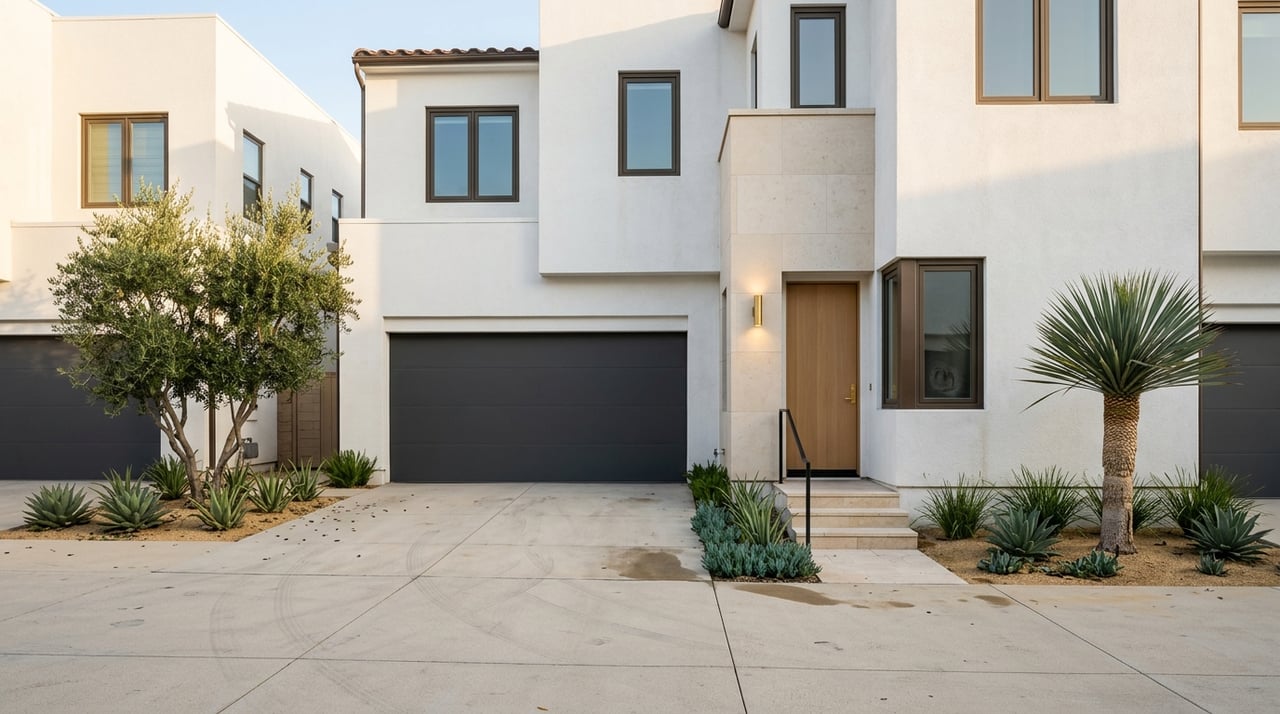
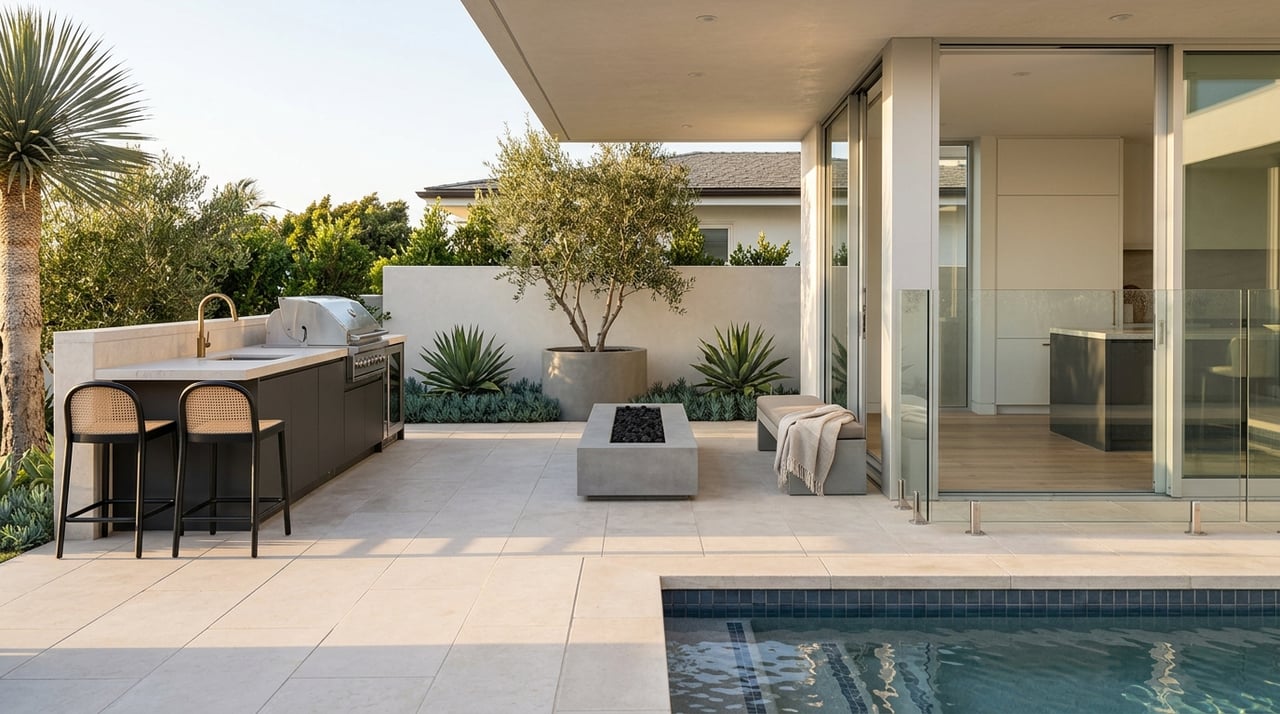
For many buyers, vacation-ready means a home that is easy to leave for stretches of time. That often brings up practical concerns like exterior maintenance, landscaping, patios, roof responsibilities, utilities, and vendor access. In a common-interest development, those details are often just as important as finishes and views.
In Newport Coast, HOA review is not a minor step. It is a core part of your due diligence, especially if you are buying in a common-interest development.
California Civil Code section 4525 requires sellers to provide key association documents before transfer. These include governing documents, current assessment information, unresolved violation notices, recent defect information, approved but not-yet-due assessment changes, and, if requested, board minutes from the prior 12 months.
That same law also requires disclosure if the governing documents prohibit rentals or leasing. If rental flexibility matters to you at all, this point deserves close attention before you remove contingencies.
A well-run review should help you answer questions like these:
Many vacation-home buyers want a property that feels easy to manage from a distance. In California, Civil Code section 4775 helps define the usual maintenance split in a common-interest development, unless the governing documents say otherwise.
In general, the association maintains common area, while the owner maintains the separate interest and exclusive-use areas tied to that interest. That sounds straightforward, but in practice, you still need to verify who handles the roof, exterior surfaces, patios, landscaping, and similar items at the specific property you are buying.
This is one reason a polished home can still be a poor fit for part-time ownership. A property may look turnkey, but if the maintenance obligations do not match your expectations, it may not be truly vacation-ready for your lifestyle.
If you hope to use the home for short-term lodging or home sharing, do not assume that luxury location equals rental flexibility. Newport Beach defines short-term lodging as stays of 30 days or less, and the city requires a business license and Short Term Lodging Permit in certain residential districts.
The city also caps active permits at 1,550 and states that no new permits are currently being issued until the active number drops below that cap. That means a buyer who expects near-term short-term rental use should investigate feasibility before moving forward.
The city also specifically tells HOA owners to review CC&Rs before advertising or applying. In other words, city rules are only part of the picture. HOA restrictions can be just as important.
If a short-term lodging permit ever becomes relevant to your ownership plan, Newport Beach says permitted owners must pay a transient occupancy tax of 10 percent of the lease amount. Current city guidance also requires compliance with SB 1383 three-stream waste sorting and related code-enforcement checks.
Some buyers assume that once the HOA signs off, the hard part is done. In Newport Coast, that can be an expensive assumption.
Newport Beach’s Planning Division reviews permit applications for zoning consistency, and some projects require environmental review and public hearings. If you are buying with plans for major exterior changes or a discretionary project, you should evaluate city approval pathways early rather than treating them as a post-closing surprise.
This is especially relevant in an area shaped by coastal land-use oversight. The takeaway is simple: your due diligence should include both private community rules and public approval requirements.
Every second-home buyer should read disclosure documents carefully, but that is especially true in a coastal market. California Civil Code section 1102 covers the Transfer Disclosure Statement for single-family residential property, and Civil Code section 1103 requires natural-hazard disclosures where mapped hazard zones apply.
During escrow, take time to review the TDS and natural hazard disclosure in detail. These documents can help you understand the property’s known condition and whether mapped flood, fire, earthquake-fault, seismic, or related hazard zones affect the home.
This is also the right stage to confirm practical ownership issues that matter for a second home, such as maintenance obligations, utility setups, and any property-specific concerns that could affect convenience or long-term cost.
Newport Coast is part of a coastal luxury market that attracts global interest. The National Association of Realtors reported that foreign buyers purchased 78,100 U.S. homes from April 2024 through March 2025, spent $56 billion, and made all-cash purchases in 47 percent of those transactions. California was one of the top destinations.
For international buyers, the biggest advantage is often preparation. If you do not have a Social Security number, the IRS says foreign persons generally apply for an ITIN using Form W-7 and attach a federal income tax return.
In a real transaction, timing matters. It is smart to line up tax ID needs, wire instructions, source-of-funds documentation, and tax counsel early so escrow does not slow down late in the process.
It is also worth understanding one future resale issue now. FIRPTA is generally not a buying-time issue for most purchasers, but the IRS says that when a foreign person sells a U.S. real property interest, the disposition is subject to FIRPTA withholding.
If you want a vacation-ready home in Newport Coast, a clear process can help you avoid expensive mistakes. Focus on fit first, then verify every rule that affects use, cost, and convenience.
Here is a practical framework:
Buying a vacation-ready home in Newport Coast is about more than finding a beautiful property. It is about matching your lifestyle goals with the reality of HOA rules, city regulations, disclosure review, and long-term ease of ownership.
When those pieces line up, Newport Coast can offer a rare combination of luxury, outdoor access, and second-home convenience. If you want expert guidance on Newport Coast homes, buyer representation, relocation, or cross-border transactions, connect with Christina Shaw Group.
Stay up to date on the latest real estate trends.



Buying or selling a home? Contact us now by filling out the contact form below and we will get back to you soon. Looking forward to speaking with you!