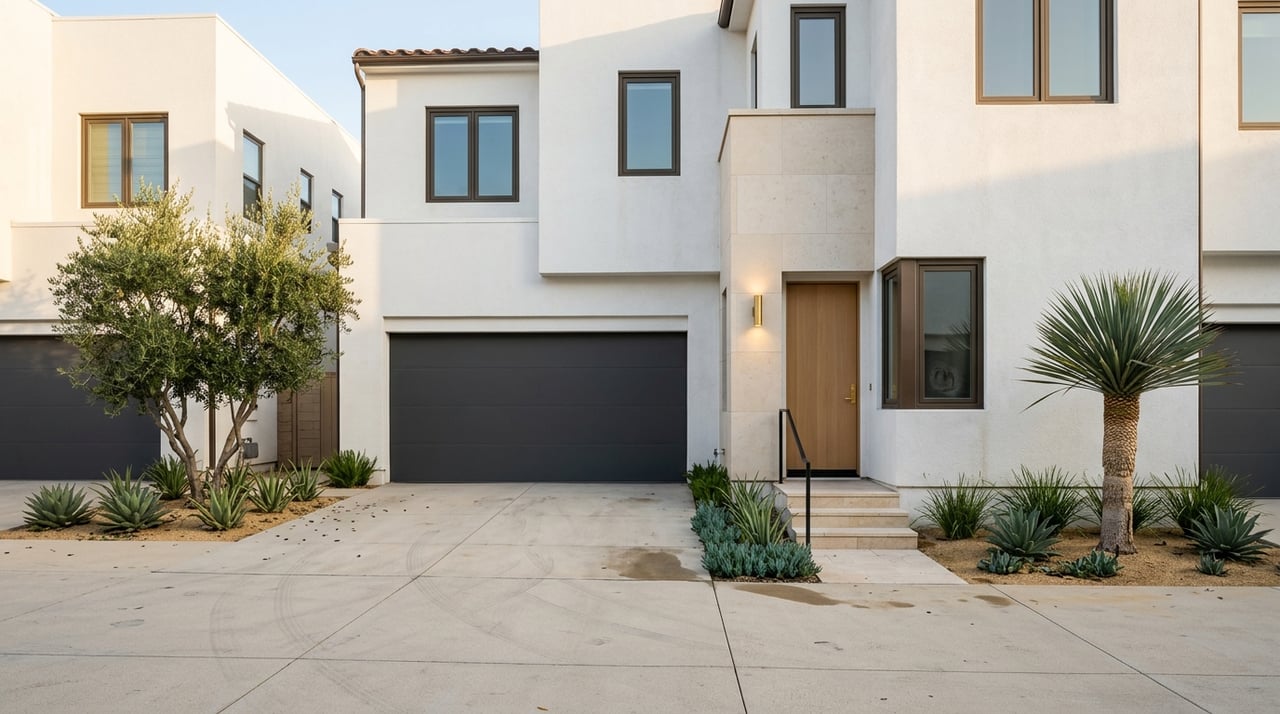
Irvine Real Estate Investment Guide for Planned Villages
Wondering whether Irvine is a smart place to invest? The better question is often where in Irvine your strategy fits best. Because Irvine is built as a network of master-planned villages, your results can vary a lot depending on the community, home type, amenities, and carrying costs you choose. This guide will help you understand how Irvine’s village structure shapes investment decisions, what drives rental demand, and how to think about long-term value. Let’s dive in.
Irvine is one of the country’s largest planned urban communities, and the city says its master plan grew into 51 villages. That matters because Irvine does not behave like one single housing market. Instead, it functions more like a set of connected micro-markets, each with its own housing mix, parks, schools, retail areas, and traffic patterns.
For you as an investor, that means a citywide average only tells part of the story. A home in an established central village can attract a different renter profile than a newer detached home in Portola Springs or a townhome in Great Park Neighborhoods. In Irvine, village selection is a key part of the investment thesis.
The broader market also supports long-term interest. Irvine has a population of 318,683, median household income of $136,719, median gross rent of $2,997, and median owner-occupied home value of $1,191,500. The city is also highly educated and globally connected, with 70.6% bachelor’s attainment, 39.8% foreign-born residents, and 51.6% of residents age 5 and older speaking a language other than English at home.
A strong job base helps support steady housing demand, and Irvine has several durable drivers. UC Irvine is Orange County’s second-largest employer and says it contributes $7 billion annually to the local economy. The city’s 2024 economic development materials also identify healthcare innovation, medtech, and enabling and creative technologies as major job clusters.
That mix can create demand from faculty, healthcare professionals, engineers, corporate transferees, and other professionals. For investors, this matters because job diversity can help support renter demand across different price points and home types within the city.
Irvine’s appeal is not only about work. The city’s open space and transportation network also shape day-to-day livability, which can strengthen demand for well-located homes.
The Jeffrey Open Space Trail is planned to run about five miles through Irvine, and the Irvine Open Space Preserve offers hiking, biking, and equestrian access. Great Park also connects sports fields, trails, and the Irvine Transportation Center. Nearby shopping and dining areas like Woodbury Town Center, Orchard Hills Shopping Center, Irvine Spectrum Center, and The Market Place add practical convenience for residents.
Irvine’s global profile is another reason many buyers and investors stay focused on this market. The city’s multilingual and foreign-born population lines up with continued cross-border interest, especially for buyers looking at long-term wealth preservation, relocation, or a California base.
Airport and transit access also help. The city says Great Park is about 15 minutes from John Wayne Airport, and Irvine’s transit network includes iShuttle service connecting Irvine Station, the Irvine Business Complex, and John Wayne Airport.
Communities like Woodbridge, University Park, Turtle Rock, Quail Hill, Northwood, and Westpark represent Irvine’s mature village network. These areas are generally evaluated less for brand-new construction and more for their established infrastructure, central convenience, and built-in amenity base.
If your strategy favors proven neighborhood patterns and central access, these villages may deserve a close look. They can appeal to residents who value mature landscaping, established parks, and a location that feels connected to the wider city.
Portola Springs and Orchard Hills reflect a newer village model with strong identity and newer housing stock. Portola Springs is centered around recreation, with more than 15 parks, 20 miles of trails and open space, and in-village schools. Current offerings there are detached single-family residences.
Orchard Hills occupies a more elevated and gated hillside position, with luxury single-family homes and view-oriented product. For some investors, these communities align better with a long-hold strategy built around newer construction and premium positioning.
One important detail is cost structure. The Villages of Irvine fact sheet says all homes and lots are included in a Community Facilities District and Assessment District. That means you should treat these charges as core underwriting items, not minor extras.
Great Park Neighborhoods stands out for its broad product mix. The community includes single-family homes, paired homes, townhomes, and multi-generational formats, which gives you more flexibility depending on your budget and target renter profile.
The amenity package is also a major part of the value proposition. The master HOA includes access to pools, parks, clubs, trails, events, greenhouses, art, and nature features. In practical terms, that means lifestyle value is built into ownership costs and can influence both resale appeal and tenant interest.
Irvine Unified School District serves more than 38,000 TK-12 students and says schools are placed at the heart of the master-planned neighborhood structure. In several villages, proximity to local campuses is part of how the community is designed and marketed.
Great Park Neighborhoods, for example, highlights nearby IUSD schools such as Beacon Park K-8, Cadence Park K-8, Solis Park K-8, and Portola High School. For investors, this does not guarantee performance, but it does help explain why many households focus closely on village location when choosing where to rent or buy.
Not every Irvine property attracts the same kind of renter. Detached homes in places like Portola Springs or Orchard Hills may appeal to households looking for newer construction, yard space, and access to village amenities.
Paired homes and townhomes in Great Park Neighborhoods can broaden your audience to renters who want newer housing with less day-to-day upkeep. Established villages may appeal to residents who prioritize central location and mature amenities over the newest finishes.
Irvine’s village model is association-heavy. The city’s HOA map shows master associations, maintenance associations, and neighborhood associations across communities including Woodbridge, Northwood Pointe, Westpark, Portola Springs, Orchard Hills, and Great Park area neighborhoods.
That means HOA dues and governance are not side notes. They should be treated as part of the property’s operating reality from day one. In communities with robust amenities, those costs may support marketability, but they still affect monthly carrying costs and your investment margin.
Great Park Neighborhoods also uses a master HOA with homeowner-only facilities and reservation rules. If you plan to lease a property, understanding how amenities are accessed and governed can be just as important as reviewing taxes and insurance.
Irvine is generally not a market where investors chase immediate high yield. With a median owner-occupied home value of $1,191,500 and median gross rent of $2,997, acquisition prices sit at a premium relative to local rents.
In many cases, the smarter lens is long-term appreciation, tax planning, and risk-adjusted cash flow. This is especially true in newer villages where HOA dues, Community Facilities District charges, and Assessment District costs can materially affect returns.
That does not mean Irvine lacks investor appeal. It means your expectations need to match the market. If your plan is built around stability, strong underlying demand, and a premium Orange County location, Irvine may offer a better fit than a purely yield-driven strategy.
Before you buy, it helps to match each village to your likely holding plan. A simple framework can keep your search focused:
This market rewards precision. The goal is not simply to own in Irvine. The goal is to own the right Irvine property for the strategy you want to execute.
If you are weighing Irvine for a long-term purchase, relocation move, or investment hold, local village-level guidance can make a meaningful difference. The team at Christina Shaw Group offers concierge-level buyer representation, leasing support, and investor guidance tailored to Orange County’s premium neighborhoods.
Stay up to date on the latest real estate trends.


Buying or selling a home? Contact us now by filling out the contact form below and we will get back to you soon. Looking forward to speaking with you!