
Strategic Guide To Selling A Luxury Home In Newport Beach
Thinking about selling a luxury home in Newport Beach? You know every detail matters, from seawall reports to the right twilight photos. You want a clear plan that protects your time, privacy, and bottom line. In this guide, you’ll learn how to prepare, price, market, and negotiate a high‑value coastal sale with confidence. Let’s dive in.
Luxury real estate moves differently than the broader market. Comparable properties can be scarce, buyer pools are smaller, and many buyers pay cash or use jumbo financing. Presentation and positioning carry more weight, and days on market can shift with interest rates and capital markets.
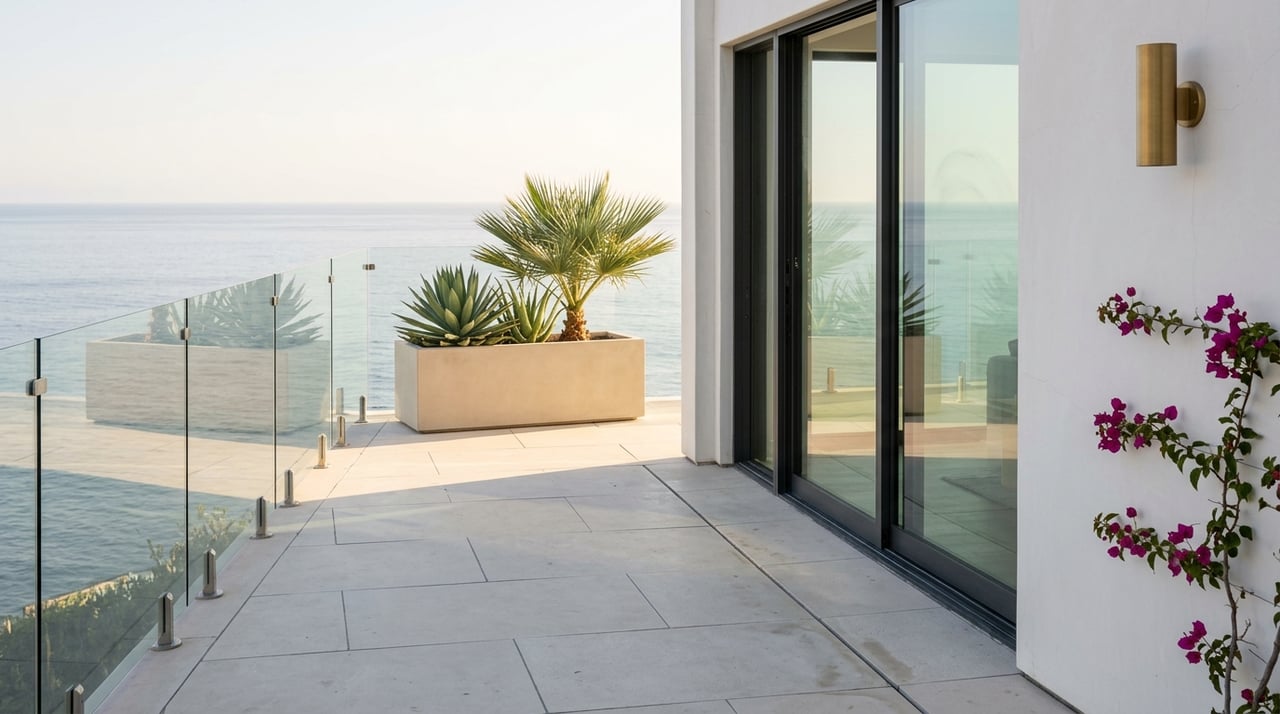
Newport Beach includes distinct submarkets with different buyer motivations. Oceanfront estates, bayfront and canal homes with private docks, Balboa Peninsula, Corona del Mar bluff and village properties, Lido Isle and Harbor Island residences, and gated estates near Pelican Hill all attract specific lifestyles. Your strategy should reflect the property type, view corridors, dock or beach access, and neighborhood norms.
Demand often peaks in spring and summer when coastal living is top of mind. National factors like rate trends and stock performance can affect activity at the top end. Plan your launch to align with favorable light, weather, and travel schedules for qualified buyers.
High‑net‑worth sellers value privacy, speed, and polish. A concierge approach coordinates inspections, repairs, staging, legal review, and showing security in one streamlined plan. The goal is to remove friction before you go live so negotiations focus on value, not last‑minute fixes.
Collect key documents early. That includes deeds and vesting, HOA and CC&R documents where applicable, permit history for remodels, and all harbor‐related records. For bayfront or canal properties, assemble harbor leases, pier or dock permits, maintenance logs, and any seawall or shoreline permits. Having a complete package reduces buyer friction and protects value.
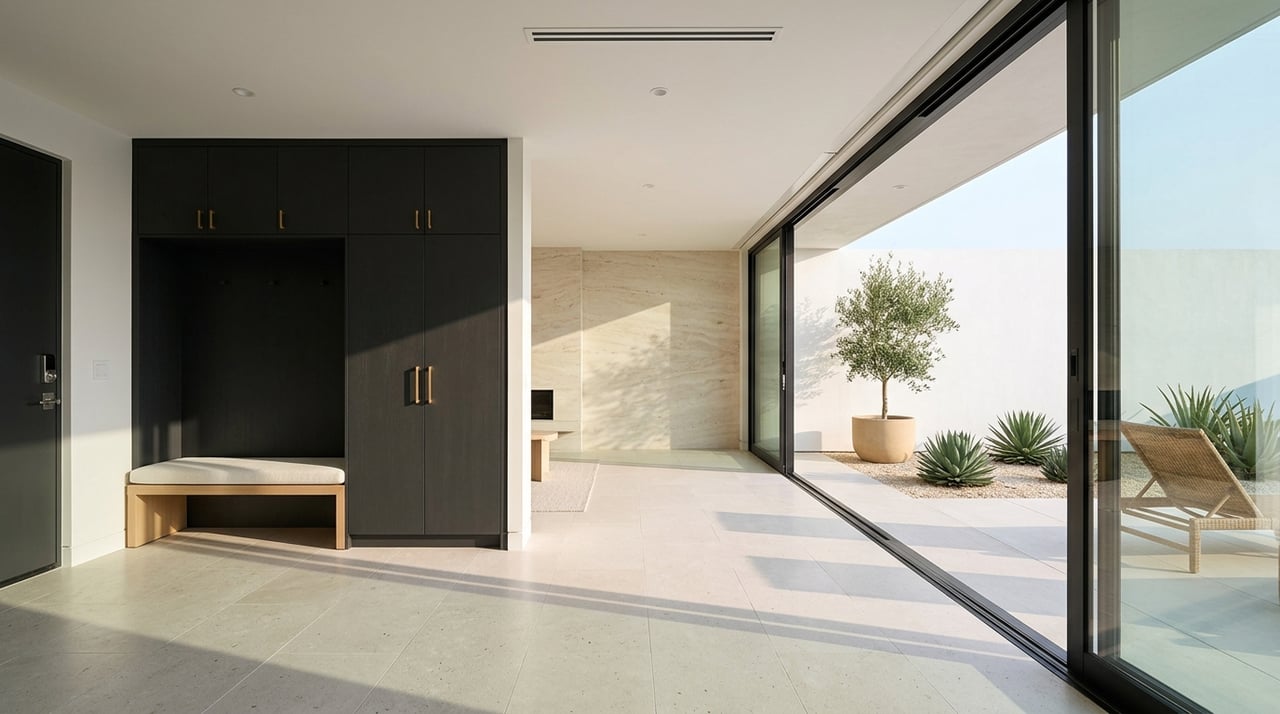
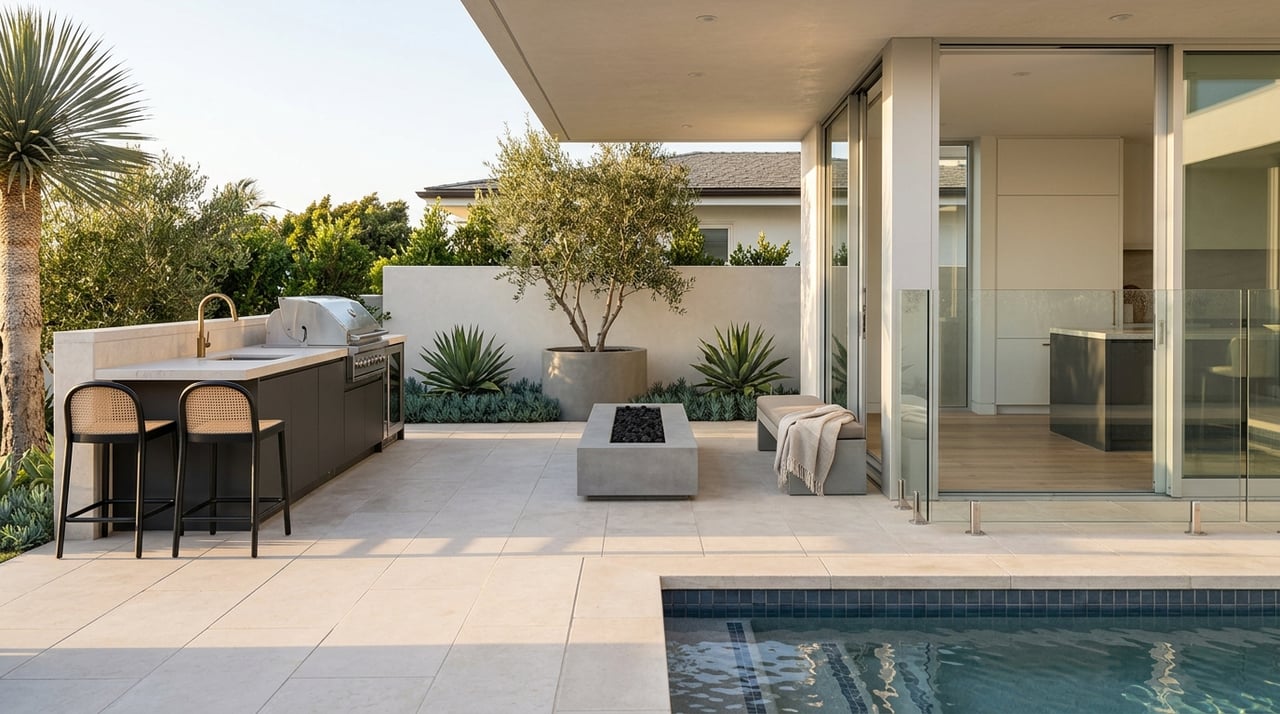
Luxury buyers respond to emotional storytelling and precision. Use high‑end staging to frame views, scale, and indoor‑outdoor flow. Invest in professional photography with twilight shots, drone aerials, video walkthroughs, and 3D tours. Provide floor plans with dimensions so buyers can plan furniture and art placement.
Plan vetted showings from day one. Use proof‑of‑funds or pre‑qualification letters to screen appointments. For high‑visibility properties, consider confidentiality agreements and on‑site security during private events.
Overpricing can stall momentum, while underpricing risks leaving money on the table. Use multiple inputs: recent local and nearby luxury sales, active and pending listings, broker network insights, and a pre‑listing appraisal from a coastal‑experienced appraiser. Document custom finishes, designer upgrades, and capital improvements to support your price.
In thin luxury segments, appraisals can trail contract value. Mitigate this risk by creating an appraiser package with comps and upgrade documentation, targeting cash or high‑down buyers when possible, and negotiating appraisal‑gap coverage where appropriate.
Your buyer could be a local upgrade, a second‑home owner, or an international client. Combine curated local exposure with global reach for maximum results.
Decide whether an MLS launch or a private approach best fits your goals. Off‑market strategies can preserve privacy but may limit reach. Align the plan with your timeline, price target, and need for discretion while following local MLS rules.
Host invitation‑only previews for top agents and serious buyers. Schedule twilight showings to highlight sunset and water views. Keep the home showing‑ready with minimal personal items and secure storage for valuables.
California requires robust seller disclosures. Expect to provide a Transfer Disclosure Statement, a Natural Hazard Disclosure, and, if relevant, lead‑based paint disclosures. Waterfront and harbor properties often require documentation of harbor leases, pier or dock permits, and any seawall or shoreline work. Properties within HOAs will need governing documents, assessments, and compliance certificates. If your home had work without permits, disclose it and discuss remedies with your counsel.
At the luxury level, terms can matter as much as price. Negotiate flexible occupancy solutions, such as rent‑backs or extended closings, if they serve your plans. Clarify financing, appraisal timelines, and earnest money to reduce fall‑through risk. Use escalation clauses carefully and only when they support your broader strategy.
Luxury sellers often exceed the primary‑residence exclusion limits under IRS Section 121, which allow up to $250,000 for single filers and up to $500,000 for married couples who meet the ownership and use tests. If you are selling an investment property, a 1031 exchange may defer capital gains if you follow strict timelines and rules. California state taxes and closing costs also apply. Coordinate early with your CPA and wealth advisors to optimize timing and net proceeds.
Ready to sell with a plan tailored to your property type, privacy needs, and price goals? Connect with the Christina Shaw Group for a discreet strategy session and concierge preparation from listing to close.
Stay up to date on the latest real estate trends.

Buying or selling a home? Contact us now by filling out the contact form below and we will get back to you soon. Looking forward to speaking with you!